In a significant political development, the mayor's post in Navi Mumbai has been reserved for a woman after a gap of 15 years, sparking a competitive race among several prominent local figures. This move marks a pivotal moment for gender representation in the civic body, with former civic standing committee chairperson Netra Shirke emerging as the frontrunner for the position.
Key Contenders in the Navi Mumbai Mayor Race
Netra Shirke, known for her administrative experience, is widely seen as a strong candidate due to her previous role in the civic standing committee. However, she faces competition from Rekha Mhatre, a close relative of local heavyweight Ganesh Naik, who brings significant political influence to the table. Other notable contenders include:
- Shubhangi Patil from Turbhe
- Madhuri Sutar from Nerul
- Aditi Naik from Koparkhairane
- Vaishnavi Naik, wife of Vaibhav Naik, a nephew of Ganesh Naik
Historical Context and Family Legacies
The reservation for women has revived memories of past leadership, with Rekha Mhatre's mother-in-law, Vijaya Mhatre, having served as Navi Mumbai's second woman mayor back in 1998. This historical connection adds a layer of legacy to the current race, highlighting the enduring presence of certain political families in the region.

Meanwhile, Sagar Naik, another nephew of Ganesh Naik, missed out on the mayor's post due to the reservation. However, in a strategic move, he was appointed as the BJP's group leader in the Navi Mumbai Municipal Corporation (NMMC) on Friday. This appointment underscores the party's efforts to maintain influence within the civic body.
Political Dynamics and Party Strength
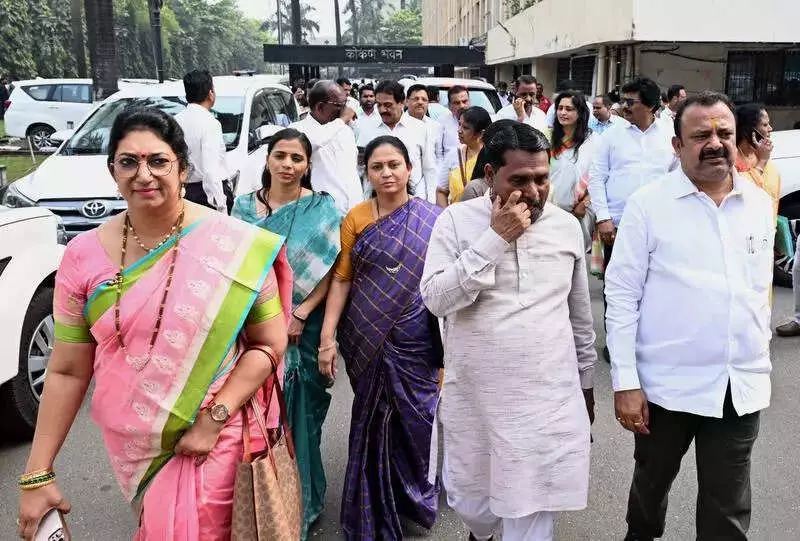
The BJP has strengthened its position by registering 66 corporators at Konkan Bhavan, including Independent Bharat Bhoir who extended his support. This consolidation of power reflects the party's focus on building a robust presence in Navi Mumbai's political landscape.
In a related development in Panvel, Mamata Mhatre, wife of former Leader of Opposition in the civic body Pritam Mhatre, is leading the race for the mayor's post reserved for the Other Backward Classes (OBC). This indicates a broader trend of reserved positions shaping local politics across the region.
The reservation of the mayor's post for women after 15 years is not just a procedural change but a transformative step towards inclusive governance. As candidates like Netra Shirke and Rekha Mhatre vie for the position, the outcome will likely influence Navi Mumbai's civic policies and set a precedent for future elections. The involvement of multiple contenders from diverse backgrounds promises a dynamic and closely watched electoral process.