

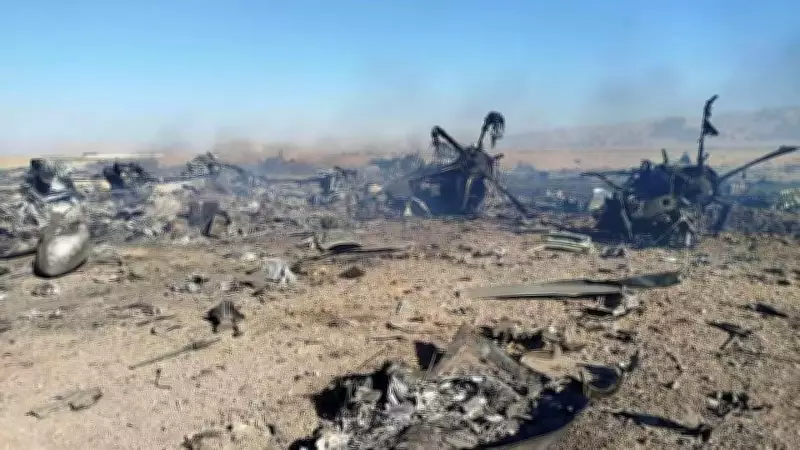
Iran's Evolving Defense: A Fusion of Firepower and Cyber Operations
In a significant shift in its national security approach, Iran is actively combining conventional military strength with sophisticated cyber warfare tactics. This dual strategy aims to bolster its regional influence and counter external pressures, including economic sanctions and geopolitical threats.
Strengthening Military Capabilities Amid Regional Tensions
Iran has been enhancing its traditional firepower through investments in missile technology, naval forces, and drone capabilities. Recent military exercises and deployments demonstrate a focus on asymmetric warfare, allowing Iran to project power despite resource constraints. This buildup is seen as a response to ongoing tensions with neighboring countries and global powers, particularly in the volatile Middle East.
Cyber Warfare: A New Frontier in Iran's Arsenal
Parallel to its military advancements, Iran has developed a robust cyber warfare program. State-sponsored hacking groups are reportedly targeting critical infrastructure, government networks, and private sectors in rival nations. These cyber operations serve multiple purposes: gathering intelligence, disrupting adversaries, and spreading propaganda. Experts note that Iran's cyber capabilities have grown in sophistication, enabling covert attacks that complement its physical military actions.

Strategic Integration and Regional Implications
The integration of firepower and cyber tactics allows Iran to wage multi-domain conflicts, increasing its resilience against sanctions and military confrontations. This approach has raised concerns among international observers, as it blurs the lines between conventional and digital warfare. In the Middle East, this strategy is influencing security dynamics, prompting neighboring states to bolster their own cyber defenses and military readiness.
Key elements of Iran's strategy include:
- Hybrid Warfare: Using a mix of military strikes and cyber attacks to achieve strategic goals without full-scale war.
- Economic Resilience: Leveraging cyber operations to mitigate the impact of sanctions on Iran's economy.
- Regional Proxy Support: Enhancing the capabilities of allied groups through both arms and digital tools.
Global Reactions and Future Outlook
International responses have varied, with some nations imposing additional sanctions and others calling for diplomatic engagement. The United States and its allies are particularly wary, citing incidents where Iranian cyber activities have targeted global infrastructure. Looking ahead, Iran's continued investment in this dual strategy is expected to shape not only Middle Eastern politics but also global norms around cyber conflict and military deterrence.
As Iran navigates complex geopolitical challenges, its ability to synergize firepower with cyber warfare underscores a modern adaptation in defense planning, with far-reaching consequences for regional stability and international security frameworks.






