The National Commission for Women (NCW) has taken suo motu cognisance of a disturbing viral video that emerged from Hubballi, Karnataka, on Wednesday. The video purportedly shows a woman worker of the Bharatiya Janata Party (BJP) in a state of undress, leading to serious allegations against the local police.
Video Sparks Outrage and Allegations
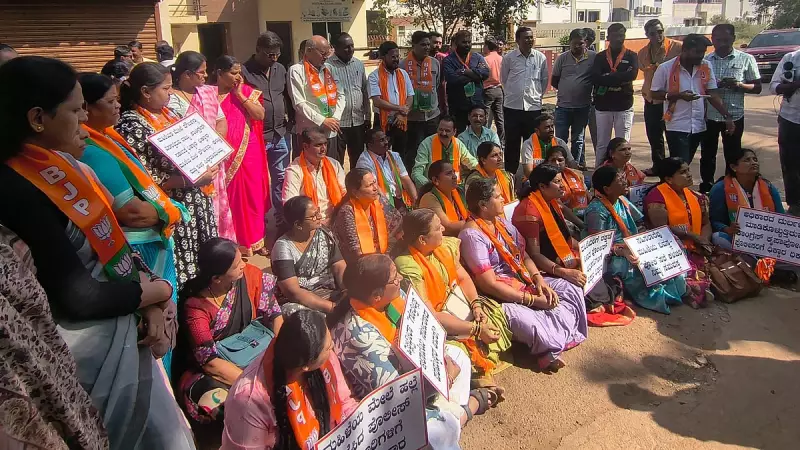
Shortly after the video began circulating widely on social media platforms on Wednesday, January 8, 2026, members of the BJP came forward with grave accusations. Party workers alleged that the woman was stripped of her clothes and physically assaulted by police personnel. The incident has triggered a major political controversy in the state, with the BJP demanding immediate action against those responsible.
NCW Steps In Amid Political Firestorm
Responding swiftly to the public outcry and the sensitive nature of the case, the NCW exercised its authority to take suo motu, or on its own motion, cognisance of the matter. This legal step allows the commission to investigate the incident independently, without a formal complaint being filed first. The NCW is expected to seek a detailed report from the Karnataka police and may initiate its own inquiry into the alleged misconduct and the circumstances that led to the video being recorded and shared.
Fallout and Demands for Justice
The viral video has placed the Hubballi police department under intense scrutiny. The BJP's allegations, if proven true, point to a severe case of police brutality and rights violation. The party has mobilized its workers, calling for accountability and justice for the woman involved. As the NCW begins its proceedings, all eyes are on the Karnataka administration's response. The case highlights ongoing concerns about the treatment of women and political workers in conflict situations, and the outcome of the investigation will be closely watched across the nation.
The incident, reported by Manjunath Venkatraman and last updated at 10:25 IST on January 8, 2026, remains a developing story. The NCW's intervention adds a crucial layer of oversight to a case that has already ignited significant public and political debate.