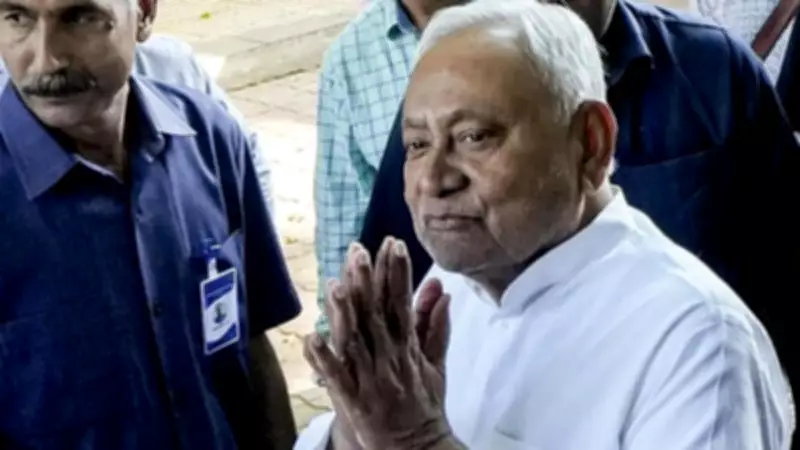
Nitish Kumar Moves to Resign as Bihar Chief Minister, Clears Path for BJP Government
In a significant political development, Nitish Kumar has taken the step of recommending the dissolution of his cabinet ahead of a scheduled meeting with the governor to formally resign as the Chief Minister of Bihar. This move is poised to facilitate the establishment of the first-ever Bharatiya Janata Party (BJP)-led government in the state, marking a historic shift in Bihar's political landscape.
Timeline and Expectations for the Transition
According to a party leader, Kumar is expected to meet the governor to submit his resignation before 3 pm today. This timeline underscores the urgency and strategic planning behind the transition, as it aims to ensure a smooth handover of power. The dissolution of the cabinet is a procedural measure that typically precedes such resignations, allowing for a clean slate as the new administration prepares to take charge.
The implications of this resignation are far-reaching, as it signals the end of Kumar's tenure and the beginning of a new era under BJP leadership. This change comes amid ongoing political realignments and could influence future electoral dynamics in Bihar and beyond.

Background and Political Context
Nitish Kumar, a veteran politician, has served multiple terms as Bihar's Chief Minister, often in coalition governments. His decision to step down and pave the way for a BJP-led government reflects broader trends in Indian politics, where alliances are frequently reshaped to adapt to changing voter sentiments and party strategies.
The move is seen as a calculated step to consolidate power and potentially strengthen the BJP's position in the state ahead of upcoming elections. It also highlights the fluid nature of political partnerships in India, where leaders often make strategic decisions to maximize their influence and governance outcomes.
Potential Impacts on Bihar's Governance
As the BJP prepares to form the government, several key areas are likely to be affected:
- Policy shifts: The new administration may introduce changes in development schemes, economic policies, and social programs aligned with BJP's national agenda.
- Administrative restructuring: With a new chief minister and cabinet, there could be reassignments and reforms in the state bureaucracy.
- Political stability: The transition aims to ensure continuity in governance, but it may also lead to short-term disruptions as the new team settles in.
Observers are closely watching how this change will impact Bihar's progress on issues such as infrastructure, education, and healthcare, which have been focal points under Kumar's leadership.
Looking Ahead: What's Next for Bihar?
Following Kumar's resignation, the governor is expected to invite the BJP to form the government, given its likely majority or coalition support in the state assembly. This process will involve:
- Formal acceptance of Kumar's resignation by the governor.
- Discussions with BJP leaders to select a new chief minister.
- Swearing-in ceremonies for the new cabinet members.
The successful formation of a BJP-led government in Bihar would represent a milestone, as the party has historically faced challenges in securing a dominant position in the state. This development could also have ripple effects on national politics, influencing alliances and strategies in other regions.
In summary, Nitish Kumar's decision to dissolve his cabinet and resign as Chief Minister is a pivotal moment in Bihar's political history. It sets the stage for a new governance model under BJP leadership, with potential implications for the state's future trajectory and India's broader political landscape.