Kerala's Sabarimala Temple Entry Debate Intensifies as Religious Groups Reaffirm Stance
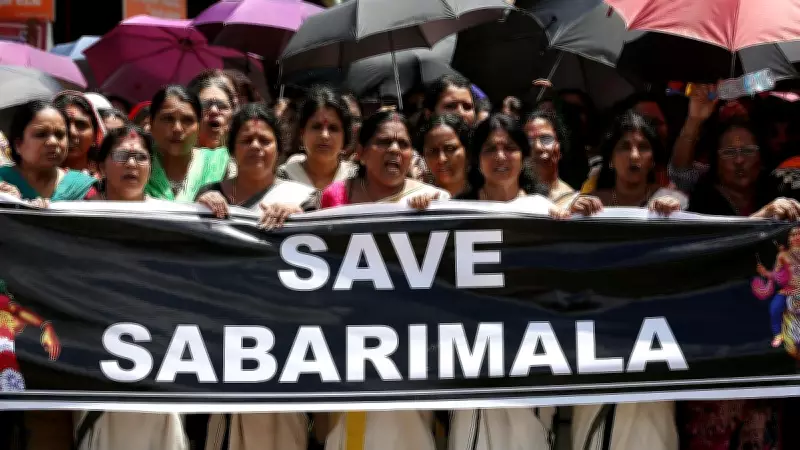
The longstanding controversy surrounding the entry of menstruating women into the sacred Sabarimala temple in Kerala has been reignited, with two prominent Hindu organizations issuing a firm call to the state government. The Nair Service Society (NSS) and the SNDP Yogam have both publicly reiterated their staunch opposition to permitting women of certain age groups to access the hill shrine, emphasizing the need to preserve traditional customs.
NSS and SNDP Urge Government to Uphold Traditional Practices
In a significant development, the NSS has explicitly stated that it expects the Kerala state government to reconsider and ultimately change its current position on this highly sensitive issue. The organization is advocating for a return to the longstanding traditional practice at Sabarimala, which historically restricts the entry of women between the ages of 10 and 50. This age bracket is traditionally associated with menstruation, a factor that has been central to the temple's customs for generations.
The SNDP Yogam, representing the Ezhava community, has echoed similar sentiments, reinforcing the collective demand from these influential groups. Both organizations argue that the sanctity and religious protocols of the temple must be respected and maintained without alteration. They view the current situation as a critical opportunity for the state administration to align its policies with these deeply held religious traditions.

Historical Context and Legal Background
The debate over women's entry into the Sabarimala temple has a complex history, marked by legal battles and social movements. In 2018, the Supreme Court of India delivered a landmark judgment that lifted the ban on the entry of menstruating women, ruling it unconstitutional and a violation of fundamental rights. However, this decision sparked widespread protests and resistance from various quarters, including devotees and religious organizations like the NSS and SNDP.
Since then, the implementation of the court's order has faced numerous challenges, with the Kerala government navigating between enforcing the legal mandate and addressing the concerns of traditionalists. The recent statements from the NSS and SNDP highlight the ongoing tension between progressive legal interpretations and conservative religious practices in the state.
Political and Social Implications
This renewed opposition comes at a politically sensitive time, with the Kerala government facing pressure from multiple stakeholders. The NSS and SNDP are not only religious entities but also wield considerable social and political influence in the state. Their stance could impact public opinion and electoral dynamics, making this a pivotal issue for the ruling administration.
Supporters of the traditional practice argue that it is an integral part of the temple's unique rituals and should be protected as a matter of religious freedom. On the other hand, advocates for gender equality contend that such restrictions perpetuate discrimination and undermine the principles of equality enshrined in the Indian Constitution.
Looking Ahead: Potential Outcomes and Reactions
As the debate continues, all eyes are on the Kerala government's next steps. Will it heed the call from the NSS and SNDP to revert to traditional practices, or will it uphold the Supreme Court's directive? The outcome could set a significant precedent for similar religious disputes across India.
Public reactions have been mixed, with social media platforms and local forums buzzing with discussions. While some praise the organizations for defending tradition, others criticize them for opposing gender equality. The issue remains a flashpoint in Kerala's socio-political landscape, reflecting broader national conversations about religion, law, and women's rights.
In conclusion, the NSS and SNDP's reiteration of opposition to menstruating women's entry into Sabarimala temple underscores the deep-seated complexities of this issue. With the Kerala government at a crossroads, the coming months are likely to see intensified debates and possibly new developments in this enduring controversy.