

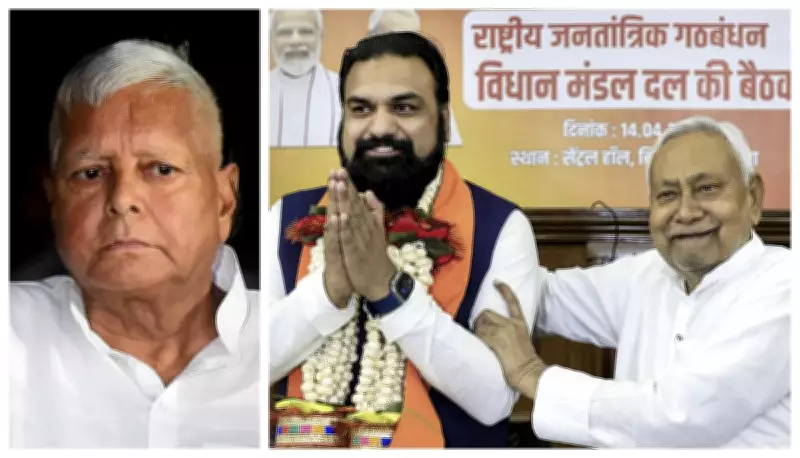
From Lalu to Nitish to Samrat: OBC Politics Consolidates Power in Bihar
The political landscape of Bihar has undergone a significant transformation over the past few decades, marked by the rise and consolidation of Other Backward Classes (OBC) power. This shift has been spearheaded by influential leaders such as Lalu Prasad Yadav and Nitish Kumar, who have reshaped the state's governance and social dynamics.
The Evolution of OBC Leadership in Bihar
Beginning with Lalu Prasad Yadav's tenure, OBC politics in Bihar gained momentum, challenging traditional upper-caste dominance. His leadership emphasized social justice and empowerment for marginalized communities, setting the stage for a new political era. Following this, Nitish Kumar emerged as a key figure, focusing on development and administrative reforms while maintaining the OBC support base.
This transition reflects a broader consolidation of power within the OBC framework, with recent trends suggesting a continuation under emerging leaders often referred to as "Samrat" in political discourse. The movement has evolved from mere identity politics to a more structured approach aimed at addressing systemic issues.

Challenges and Opportunities for Bihar's Future
Despite these political advancements, Bihar faces persistent challenges that threaten its progress. The state is characterized by high levels of out-migration, as residents seek better opportunities elsewhere due to limited local prospects. Structural underdevelopment in areas such as infrastructure, education, and healthcare remains a critical concern.
The future of Bihar will largely depend on whether this consolidated OBC politics can move beyond symbolic commemoration and rhetoric. Key areas that require immediate attention include:
- Job Creation: Developing sustainable employment opportunities to curb migration and boost the local economy.
- Educational Reforms: Enhancing access to quality education to build a skilled workforce for the future.
- Infrastructure Development: Improving roads, healthcare facilities, and utilities to support growth and connectivity.
- Social Cohesion: Fostering unity among diverse communities to ensure inclusive development and stability.
Addressing these issues is crucial for transforming Bihar's political gains into tangible benefits for its residents. Without effective delivery on these fronts, the state risks perpetuating cycles of poverty and dependency.
The Path Forward for Bihar's Governance
As OBC politics continues to consolidate power, leaders must prioritize actionable policies over political posturing. This involves leveraging the state's political stability to implement long-term strategies that address root causes of underdevelopment. Collaboration between government bodies, private sectors, and civil society can play a vital role in this process.
Moreover, the focus should extend beyond electoral victories to sustainable development metrics. By tracking progress in job rates, educational outcomes, and infrastructure quality, Bihar can ensure that its political evolution translates into real-world improvements.
In conclusion, the consolidation of OBC power in Bihar represents a pivotal moment in the state's history. From Lalu Prasad Yadav to Nitish Kumar and beyond, this political shift holds the potential to drive significant change. However, its success will be measured not by political dominance alone, but by the ability to deliver jobs, education, infrastructure, and social cohesion in a state still grappling with high out-migration and structural challenges.






