

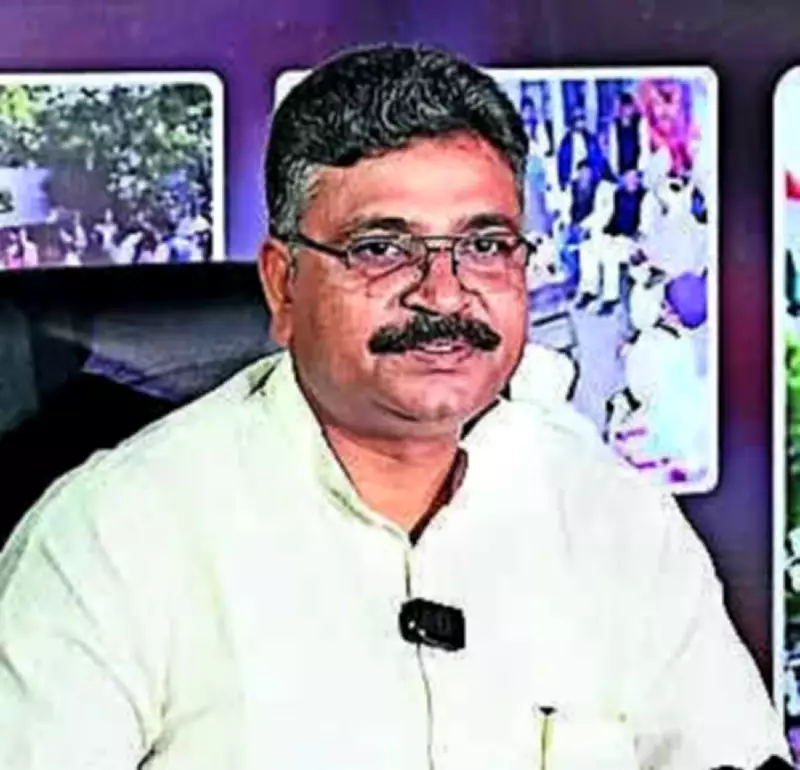
With temperatures rising across Rajasthan, Leader of Opposition Tikaram Jully on Tuesday criticised the Bhajan Lal Sharma government, alleging it is unprepared to handle the looming heatwave. Speaking at the Constitution Club in Jaipur, Jully said early warning signs are already visible, with several districts crossing 45 degrees Celsius and hospitals reporting initial cases of heat exhaustion.
“The summer has only just begun, but the system already looks stretched,” he said. He questioned the effectiveness of the state’s Heat Action Plan, which outlines measures such as early warnings, public awareness, drinking water supply and hospital readiness. “People don’t know what precautions to take, water arrangements are patchy, and there is no clear sense of coordination between departments,” he added, noting that vulnerable groups like daily wage workers, the elderly and children are most at risk.
Targeting the government’s priorities, Jully said, “At a time when the state needs attention on the ground, the leadership appears busy with Delhi visits and hosting central leaders.” He emphasised that governance cannot take a back seat during a public health challenge. His remarks come amid forecasts of intensifying heatwave conditions in the coming days.

Jully called for urgent steps, including better hospital preparedness, reliable water supply and clearer public communication. “Heat waves are no longer rare events. They come every year now. The government needs to act before the situation worsens,” he stated. The opposition leader’s comments highlight growing concerns over the state’s readiness to tackle extreme weather events, which have become more frequent and severe in recent years.
Rajasthan has experienced heatwaves annually, with temperatures often exceeding 45 degrees Celsius in several districts during summer months. Critics argue that despite repeated occurrences, the state government has failed to implement effective mitigation strategies, leaving vulnerable populations exposed to heat-related illnesses. Jully’s criticism underscores the need for proactive measures, such as establishing cooling centers, ensuring adequate water supply in public places, and conducting awareness campaigns about heatstroke prevention.
As the summer progresses, the opposition has warned that failure to act promptly could lead to a public health crisis. The state government, however, has maintained that it is taking all necessary steps, including issuing heatwave warnings and coordinating with district administrations. Nonetheless, Jully’s remarks have reignited the debate on climate resilience and governance accountability in Rajasthan.






