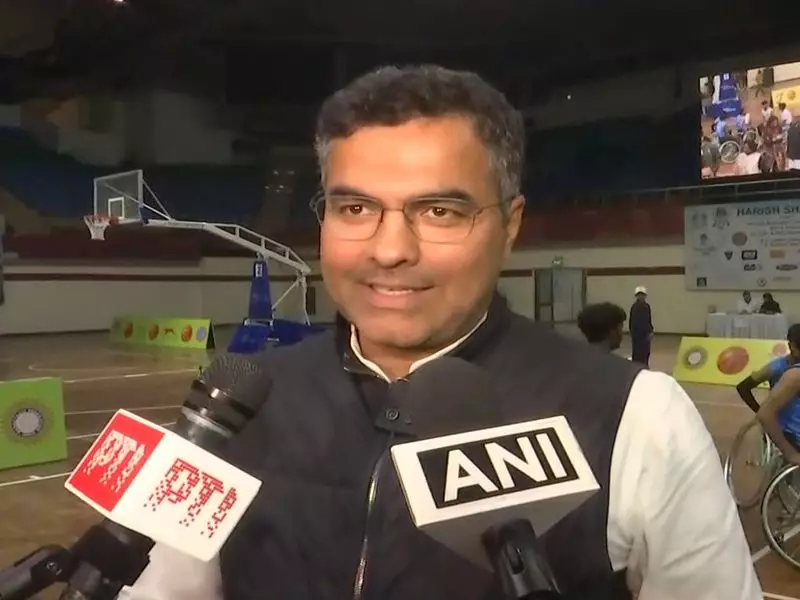
Bharatiya Janata Party (BJP) Member of Parliament Parvesh Sahib Singh Verma has stated that the severe water crisis gripping the national capital is not a new phenomenon but a deep-rooted legacy issue. He placed the blame squarely on the incumbent Aam Aadmi Party (AAP) government and previous administrations for failing to implement sustainable, long-term solutions.
A Crisis Decades in the Making
Verma, the MP from West Delhi, argued that the problem of water scarcity in Delhi has been festering for over seven decades. He emphasized that successive governments, including the current one led by Chief Minister Arvind Kejriwal, have only managed the crisis with temporary fixes rather than addressing the core infrastructural and policy failures. The immediate trigger for the current severe shortage, according to him, is the intense summer heat and a significant drop in water levels at key sources.
He specifically pointed to the mismanagement of the Munak Canal, a critical channel that brings water from Haryana to Delhi. Verma alleged that a substantial amount of water is lost due to leaks and theft before it even reaches the city's treatment plants, a failure he attributes to the Delhi government's negligence.
Parvesh Verma's Five-Point Blueprint for Reform
Moving beyond criticism, the BJP leader presented a detailed five-point plan to overhaul Delhi's water infrastructure and governance. His proposed reforms aim to create a more resilient and equitable water supply system.
First, he called for the complete privatization of the Delhi Jal Board (DJB). Verma believes that handing over the water utility to a private entity would bring in much-needed efficiency, accountability, and technical expertise to reduce massive losses from leakage and theft.
Second, his plan involves laying a parallel network of water pipelines across the city. This new infrastructure would be built with modern materials and technology to prevent contamination from old, corroded pipes and to ensure a more reliable direct supply to households.
Third, Verma proposed a shift to a metered water supply system. Under this model, every household would be charged based on actual consumption. He argued this would promote conservation, ensure fair pricing, and generate revenue for system maintenance.
Fourth, he stressed the urgent need to revive and rejuvenate Delhi's water bodies. This includes cleaning lakes, ponds, and stepwells to enhance groundwater recharge and create alternative local water sources.
Fifth, the plan advocates for the mandatory installation of rainwater harvesting systems in all large residential and commercial buildings. This would make rainwater conservation a cornerstone of the city's water security strategy.
Political Battle Over a Basic Necessity
The water crisis has become a fierce political battleground. Verma accused the AAP government of engaging in "blame games" with neighboring Haryana instead of solving problems within its jurisdiction. He claimed that the Delhi government has failed to utilize funds allocated by the central government under the AMRUT (Atal Mission for Rejuvenation and Urban Transformation) scheme for water infrastructure projects.
Furthermore, he alleged severe corruption within the Delhi Jal Board, suggesting that financial mismanagement is a key reason for the utility's inability to deliver. The ongoing crisis sees long queues for water tankers in many colonies, while affluent areas often receive uninterrupted supply, highlighting stark inequities in distribution.
Verma concluded by asserting that only a holistic, depoliticized approach focused on infrastructure and governance, as outlined in his reform plan, can provide a permanent solution to Delhi's chronic water woes. The coming months will test whether these proposals gain traction or remain part of the political discourse surrounding one of the city's most pressing challenges.