

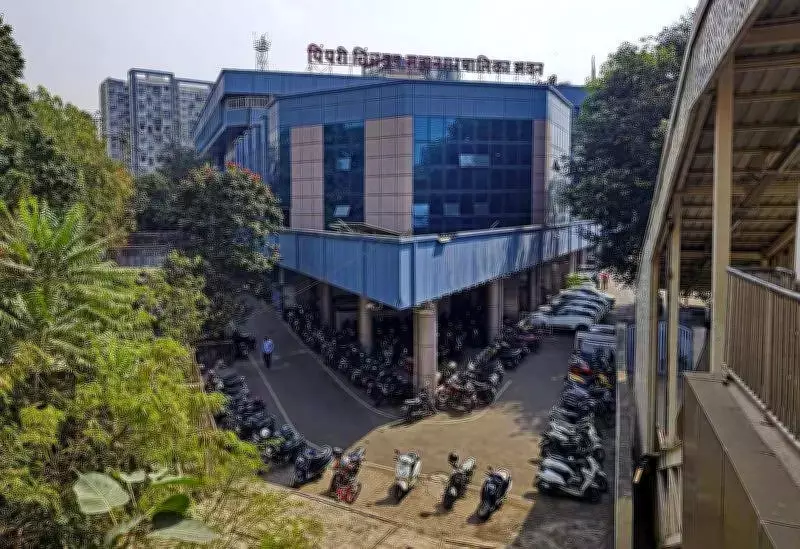
PCMC Law Committee's Proposal to Centralize Tender Authority Sparks Debate
The Pimpri Chinchwad Municipal Corporation's (PCMC) law committee has approved a contentious proposal that would grant it complete authority to determine the terms and conditions for all civic tenders. This move, cleared on April 4, has ignited significant criticism from civic activists and political circles, who argue it represents an attempt to centralize power within the municipal administration.
Proposal Details and Approval Process
The proposal was initiated by private members, including BJP corporators Navnath Jagtap and Kushagra Kadam. It is now scheduled to be presented before the general body (GB) on April 20 for final approval. Under the current system, individual civic departments independently frame their own tender conditions, with the law department consulted only when legal issues arise prior to the tendering process. The new proposal mandates that all such files must be routed through the law committee, empowering it to authorize and modify tender conditions across every department.
Criticism and Concerns Raised
Critics have warned that this change could create a bureaucratic bottleneck, potentially delaying vital infrastructure projects. The Standing Committee, which currently clears tenders, meets weekly, whereas the law committee convenes only once every fortnight. Prominent activist Vijay Kumbhar has questioned the legal standing of the proposal, stating, "Even if the general body approves this, it may not be legally tenable. Since it was moved by a private member, the GB has the right to reject it." Kumbhar added that the law committee should only be involved in cases flagged by the vigilance department or those requiring specific legal opinions.

Political and Practical Implications
Opposition leader Bhausaheb Bhoir has called for the law department to provide a detailed explanation of the proposal's implications. "As this is a private member's proposal, the law department must examine and clarify its legality and necessity," Bhoir stated, noting that the motives behind such a sweeping change remain unclear. While some observers question the political intent behind the move, others emphasize the practical risks, warning that the added layer of approval will inevitably slow down the execution of essential civic projects.
The controversy highlights ongoing tensions in municipal governance, with debates over efficiency versus oversight. The outcome of the general body meeting on April 20 will be closely watched, as it could significantly alter how PCMC manages its tendering processes and infrastructure development.






