Prime Minister Narendra Modi Visits Tea Garden in Dibrugarh, Assam
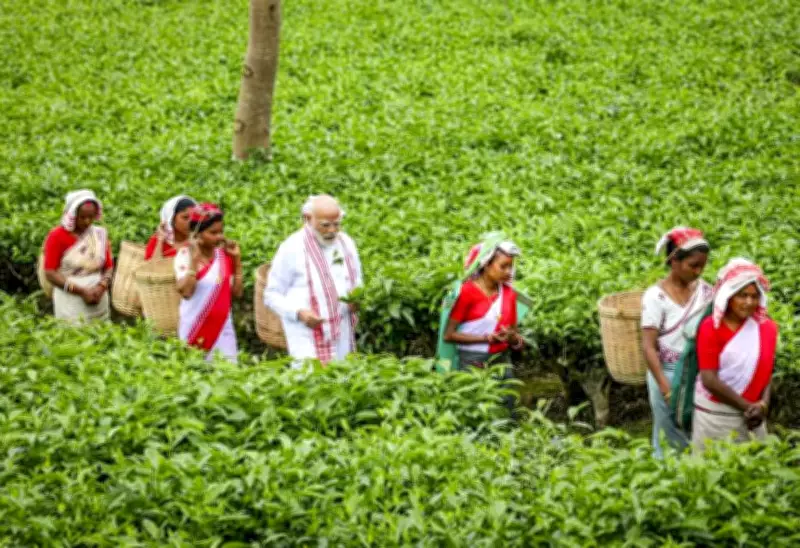
In a significant political outreach ahead of the upcoming elections, Prime Minister Narendra Modi made a visit to a tea garden in Dibrugarh, Assam. The visit, which took place recently, saw the Prime Minister engaging directly with women workers, focusing on their daily lives and challenges in the tea industry.
Interaction with Women Tea Garden Workers
During his time at the garden, PM Modi spent considerable time interacting with the women workers, who form a crucial part of Assam's tea economy. He listened to their concerns regarding wages, working conditions, and access to basic amenities such as healthcare and education for their families. The Prime Minister emphasized the government's commitment to improving the welfare of tea garden communities, highlighting various schemes aimed at their upliftment.
Key discussions revolved around:

- Livelihood support through initiatives like the Pradhan Mantri Kisan Samman Nidhi and other agricultural benefits.
- Efforts to enhance healthcare facilities in remote tea garden areas.
- Programs for skill development and education to empower women workers and their children.
Political Significance in Assam Elections
This visit is seen as a strategic move by the Prime Minister to connect with a key voter base in Assam, where tea garden workers hold substantial influence in several constituencies. Dibrugarh, being a major tea-producing region, is politically significant, and such interactions aim to bolster support for the ruling party. Analysts note that PM Modi's focus on grassroots issues could play a pivotal role in shaping voter sentiment in the upcoming polls.
The Prime Minister's engagement also underscores the broader narrative of development and welfare for marginalized communities, a theme often highlighted in his campaigns. By addressing the specific needs of tea garden workers, he aims to showcase the government's proactive measures in improving their quality of life.
Impact on Tea Garden Communities
Beyond the political context, the visit has brought renewed attention to the challenges faced by tea garden workers in Assam. Issues such as low wages, lack of infrastructure, and social security gaps have been longstanding concerns. PM Modi's interaction is expected to accelerate the implementation of existing schemes and potentially lead to new policies tailored for this sector.
Local residents and workers expressed optimism about the visit, hoping it would translate into tangible benefits. The Prime Minister assured them of continued support, reinforcing the government's dedication to inclusive growth.
In summary, PM Modi's visit to the tea garden in Dibrugarh serves as both a political outreach and a welfare initiative, aiming to address the pressing issues of women workers while strengthening electoral prospects in Assam. The event highlights the intersection of governance and grassroots engagement in India's democratic process.