

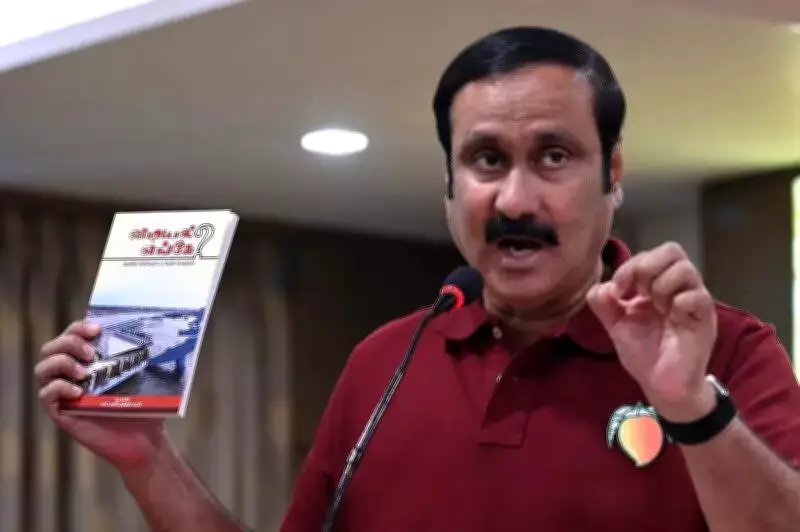
PMK President Anbumani Ramadoss Accuses DMK Government of Systematic Deception
In a scathing statement issued from Chennai, PMK president Anbumani Ramadoss has launched a fierce attack on the ruling DMK government, accusing it of systematically deceiving government employees and guest lecturers. Anbumani labeled the current administration as the "total embodiment of fraud" for its failure to implement key welfare promises, sparking widespread concern among affected groups.
Unfulfilled Promises on Pension Scheme and Salary Hikes
The criticism centers on two major unfulfilled commitments that have left thousands in limbo:
- Tamil Nadu Assured Pension Scheme: Announced by Chief Minister M K Stalin on January 3, 2024, with a government order issued on January 10, this scheme was supposed to be effective from January 1, 2024. However, Anbumani pointed out that after three months, it remains only on paper. He alleged that thousands of government employees have retired without receiving the necessary orders to draw their guaranteed pensions, stating, "The DMK has cheated them for the third consecutive month."
- Salary Hike for Guest Lecturers: While the University Grants Commission recommends a salary of 50,000, the Tamil Nadu government had promised to raise pay from 25,000 to 30,000 starting February 26. This increase has yet to materialize, exacerbating financial struggles for lecturers in state universities.
Broader Implications and Political Fallout
Anbumani's allegations highlight a growing discontent among public sector workers and educators, who feel betrayed by the government's inaction. The failure to deliver on these promises not only affects individual livelihoods but also raises questions about governance and accountability in Tamil Nadu. As the political landscape heats up, this issue could become a focal point in upcoming debates and elections, with opposition parties like PMK leveraging it to challenge the DMK's credibility.

The situation underscores the urgent need for transparency and prompt implementation of welfare measures to restore trust among government employees and guest lecturers, who play a crucial role in the state's administration and education system.






