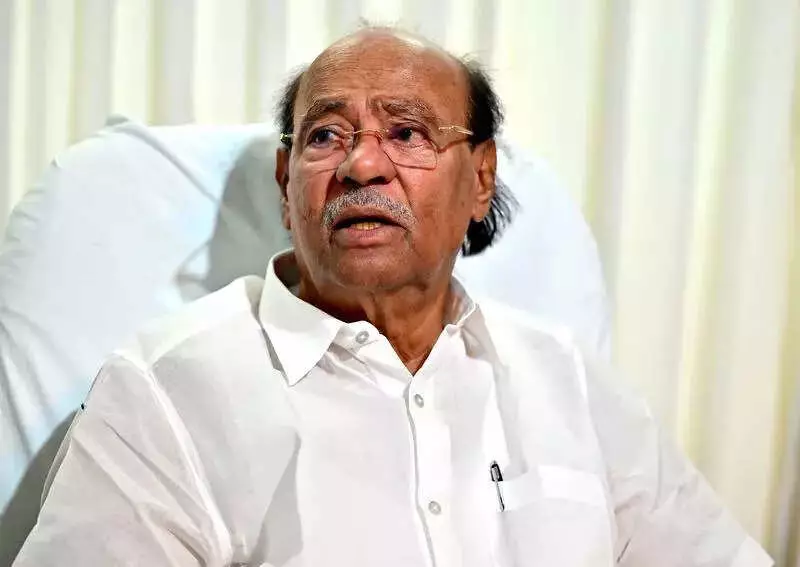
In a significant political development in Tamil Nadu, the Pattali Makkal Katchi (PMK) founder S Ramadoss is now unlikely to align with the Dravida Munnetra Kazhagam (DMK)-led alliance for the crucial 2026 state assembly elections. This comes amid firm resistance from the Viduthalai Chiruthaigal Katchi (VCK) and growing dissatisfaction over policy implementation delays.
VCK's Stance Creates Alliance Hurdles
Multiple political sources have confirmed that the VCK's categorical refusal to share space with PMK in any electoral front has created substantial obstacles for potential alliance negotiations. VCK chief Thol Thirumavalavan reiterated this position during his interaction with reporters in Trichy on Sunday, making it clear that his party would not participate in any coalition that includes both PMK and BJP as constituents.
Smart Meter Controversy Fuels Political Tensions
The political landscape further complicated when Ramadoss publicly criticized the DMK government's alleged "indifference" toward implementing smart meters for electricity billing. This system, which would transition from bi-monthly to monthly billing cycles, was prominently featured in DMK's 2021 election manifesto as a measure that could save households up to Rs 6,000 annually for consumption under 1,000 units.

"The assembly election is due in May. While consumption will be high during that period, people who bear the burden of this will show their anger while casting their vote," Ramadoss warned, highlighting potential voter discontent over the delayed implementation.
Implementation Delays Despite Official Assurances
While former energy minister Thangam Thennarasu had announced that tenders were floated for smart meters last year, and his successor S S Sivasankar endorsed this timeline in December, actual implementation has been limited. Smart meters have been installed only in Chennai on a pilot basis, far from the statewide rollout initially promised.
Alliance Dynamics and External Pressures
Political observers note that Ramadoss is facing mounting pressure from multiple directions. The AIADMK-BJP combine has been actively courting PMK, while the Tamilaga Vettri Kazhagam (TVK) camp has also been urging Ramadoss to consider alignment with their emerging political force.
Sources indicate that Ramadoss has been conducting extensive consultations with PMK district secretaries via telephone since Sunday to gauge organizational preferences before finalizing any alliance decision. Interestingly, party functionaries have largely left the final decision to their founder's discretion.
Seat-Sharing Demands and Family Political Dynamics
Complicating matters further is the recent electoral agreement between AIADMK and Ramadoss's estranged son, Anbumani Ramadoss. DMK sources reveal that the PMK founder had demanded an equal number of seats that his son might secure from AIADMK, creating additional negotiation challenges.
A section within PMK has suggested exploring an alliance with TVK, arguing that the principal Dravidian parties have not accorded Ramadoss "due respect" in previous political engagements.
Decision Timeline and Political Implications
With the 2026 assembly elections approaching, Ramadoss is expected to announce PMK's final decision on political alliances on January 28. This announcement will significantly impact Tamil Nadu's political calculus, potentially reshaping opposition dynamics against the ruling DMK coalition.
The evolving situation reflects the complex interplay of regional politics, policy implementation challenges, and personal political ambitions that characterize Tamil Nadu's vibrant democratic landscape as parties position themselves for the next electoral battle.