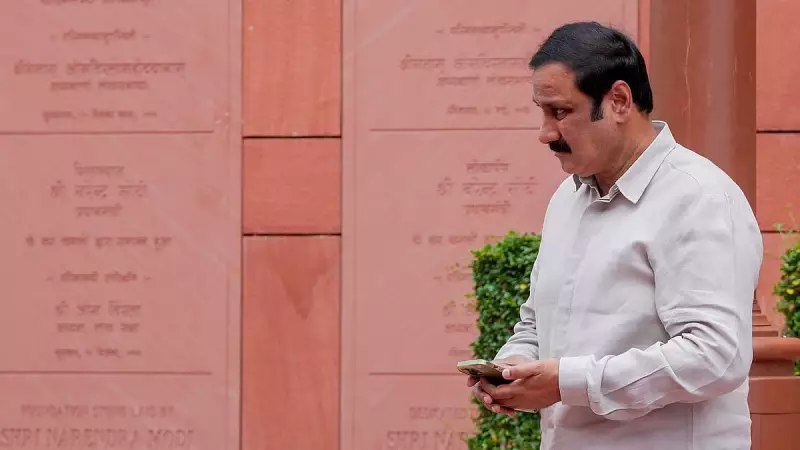
In a major political realignment in Tamil Nadu, the faction of the Pattali Makkal Katchi (PMK) led by former Union Minister Anbumani Ramadass has formally joined the Bharatiya Janata Party (BJP)-led National Democratic Alliance (NDA). This strategic move, confirmed on Tuesday, significantly bolsters the NDA's presence in the southern state ahead of the crucial 2024 Lok Sabha elections.
A Formal Alliance Forged in Delhi
The official integration was cemented during a meeting in New Delhi. Anbumani Ramadass met with key BJP leaders, including the party's National President, J.P. Nadda, and Union Minister Bhupender Yadav. The discussions culminated in the signing of a formal agreement, bringing the PMK faction under the expansive NDA umbrella.
The timing of this alliance is critical, coming just months before India heads to the general elections. For the BJP, which has been striving to expand its footprint in Tamil Nadu, the support of a party with a strong base among the influential Vanniyar community is a considerable advantage. The PMK has traditionally held sway in the northern districts of the state.
Resolving Internal Party Rifts
This development also highlights the ongoing internal rift within the PMK. The party has been divided between two factions: one led by its founder, Dr. S. Ramadoss, and his son, Anbumani Ramadass, and another led by senior leader Dr. R. Velu. The faction led by Anbumani has now chosen a clear path by aligning with the NDA.
Anbumani Ramadass, who served as the Union Health Minister in the UPA government, has been actively seeking a stronger role for his group. This formal entry into the NDA provides his faction with a definitive political platform and the backing of a national coalition, potentially isolating the other faction within state politics.
Implications for Tamil Nadu's Political Chessboard
The induction of the Anbumani-led PMK faction is a calculated move with far-reaching consequences for the NDA's strategy in Tamil Nadu.
Firstly, it directly challenges the dominance of the Dravidian majors, the DMK and the AIADMK. By adding a caste-based party with regional roots to its coalition, the BJP-led NDA aims to present a more formidable and locally-grounded alternative to the voters of Tamil Nadu.
Secondly, it complicates the existing alliance equations. The AIADMK, a former long-term ally of the BJP, walked out of the NDA last year. The BJP's decision to bring the PMK faction on board signals its intent to build a new, multi-party coalition in the state without relying on the AIADMK. This could lead to a multi-cornered contest in several constituencies.
Political analysts suggest that seat-sharing agreements will be the next crucial step. The PMK faction will likely demand a respectable number of Lok Sabha seats to contest, and negotiations with other potential NDA constituents in the state will be key to presenting a united front.
The Road to 2024
For Anbumani Ramadass, this alliance is an opportunity to re-establish his political relevance on a national stage with the support of the ruling party at the Centre. For the BJP, it is a vital step in its "South Push" mission, aiming to win seats in a state where it has historically struggled.
The coming weeks will reveal how this new partnership translates into electoral strategy. The move undoubtedly injects a fresh dynamic into Tamil Nadu's political scene, setting the stage for a highly competitive and closely watched electoral battle in the 2024 Lok Sabha polls. The success of this alliance will depend on effective coordination, clear messaging, and the ability to consolidate anti-incumbency votes against the ruling DMK government in the state.