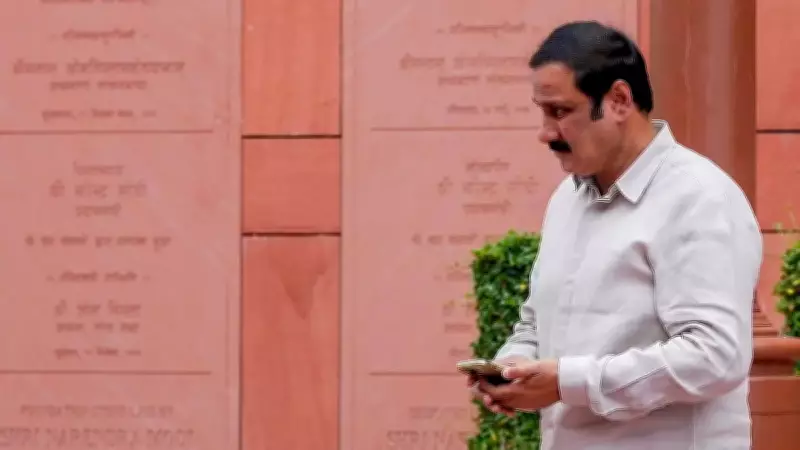
PMK leader Anbumani Ramadoss has called on the central government to reject Karnataka's detailed project report (DPR) for the proposed Mekedatu dam across the Cauvery river. He strongly criticized remarks made by Karnataka Deputy Chief Minister D K Sivakumar, who claimed that Tamil Nadu has no right to oppose the project. Ramadoss termed these statements as 'condemnable' and a direct affront to the interests of Tamil Nadu's farmers and residents.
Background of the Dispute
The Mekedatu dam project, proposed by the Karnataka government, aims to generate hydroelectric power and provide drinking water to Bengaluru and surrounding areas. However, Tamil Nadu has consistently opposed the project, arguing that it would violate the final award of the Cauvery Water Disputes Tribunal and the subsequent Supreme Court verdict. Tamil Nadu maintains that the dam would reduce the flow of water into its territory, severely impacting agriculture and drinking water supplies.
Anbumani's Stance
Speaking to reporters, Anbumani Ramadoss stated, 'The Karnataka government's attempt to build the Mekedatu dam is a clear violation of the Cauvery Tribunal award. The Centre must reject their DPR and ensure that no construction takes place without the consent of Tamil Nadu.' He further added that the remarks by Karnataka's Deputy Chief Minister reflect a 'arrogant attitude' that undermines the spirit of federalism and interstate cooperation.

The PMK leader also urged the Tamil Nadu government to take a strong stand and approach the Supreme Court if necessary. He emphasized that the state's water resources are non-negotiable and must be protected at all costs.
Political Reactions
The issue has sparked a political row, with several Tamil Nadu parties, including the DMK and AIADMK, also opposing the project. They have demanded that the Centre intervene and stop Karnataka from proceeding with the dam. On the other hand, Karnataka has defended its plan, stating that the project is within its rights and will not affect Tamil Nadu's water share as per the tribunal's allocation.
Way Forward
With the DPR now submitted to the Centre, the ball is in the court of the Union government. Experts suggest that the matter may ultimately be decided by the Supreme Court, given the long history of the Cauvery water dispute. Meanwhile, farmers' associations in Tamil Nadu have announced protests to pressure the Centre to reject the project. The coming weeks are likely to see heightened tensions between the two states over this contentious issue.