Political Tensions Flare in Mumbai Over Asha Bhosle Funeral Attendance
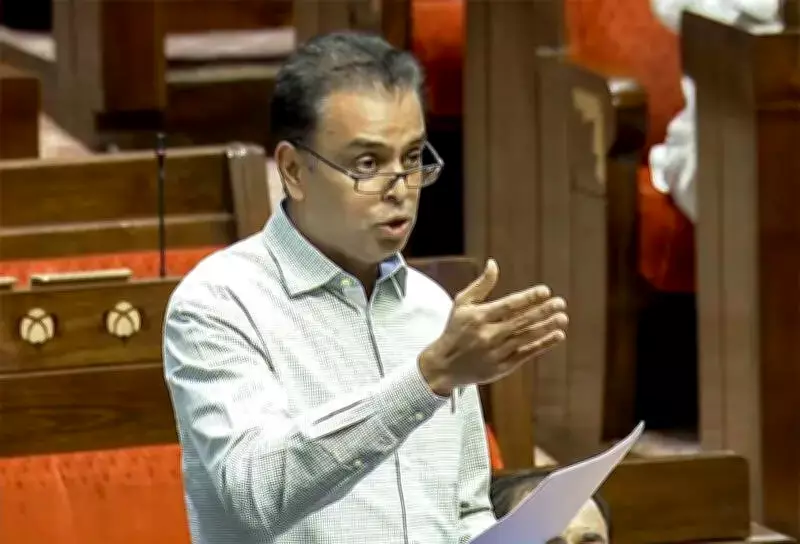
In a development that has stirred controversy in Mumbai's political circles, a sharp exchange erupted between Shiv Sena MP Milind Deora and the state Congress unit regarding representation at the funeral of legendary singer Asha Bhosle on Monday. The incident highlights ongoing political rivalries and cultural sensitivities in Maharashtra.
Deora's Criticism of Congress Absence
Shiv Sena parliamentarian Milind Deora launched a pointed critique against the Congress party, though without explicitly naming them, in a social media post on platform X. Deora emphasized that every other major political party had ensured senior-level representation at the funeral to honor the cultural icon. He remarked, "One exception stood out, reflecting its disconnect from the nation's cultural pulse." This statement quickly gained traction, drawing attention to what Deora portrayed as a significant oversight by Congress in paying respects to Bhosle, a beloved figure in Indian music and culture.
Congress's Forceful Rebuttal
The Congress party responded swiftly and strongly to Deora's allegations, dismissing them as baseless and politically motivated. In a detailed rebuttal, Congress officials clarified that senior party functionary Sushilkumar Shinde, along with members of the Congress Working Committee, former minister Naseem Khan, MP Praniti Shinde, and several other representatives from the state unit, had personally attended the funeral to pay their respects. The party accused Deora of engaging in "political opportunism", stating, "If political opportunism had a face, this would be it."

Congress further escalated the confrontation by targeting Deora's political history, noting his previous role as Mumbai Congress chief. The party alleged that his criticism stemmed from "desperate loyalty" to Shiv Sena, his current political affiliation. In a scathing remark, Congress asserted, "Congress didn't just support your family, it built its political identity, gave it stature, credibility and a seat at the table of power... What we are witnessing now is not politics, but a relentless descent into shamelessness performed with astonishing enthusiasm." This response underscores the deep-seated tensions and personal attacks that have characterized recent political discourse in Maharashtra.
Broader Implications for Mumbai Politics
This spat is not merely about funeral attendance but reflects larger political dynamics in Mumbai and Maharashtra. Asha Bhosle's funeral served as a platform for political posturing, with parties vying to demonstrate their cultural connectivity and respect for icons. The incident raises questions about how political entities leverage cultural events for partisan gains, potentially alienating voters who view such actions as insincere or divisive.
Observers note that Deora's shift from Congress to Shiv Sena has added fuel to these exchanges, with loyalty and legacy becoming central themes. The Congress's rebuttal highlights a narrative of betrayal and opportunism, while Deora's initial critique focuses on perceived neglect of cultural duties. This clash may influence public perception ahead of upcoming elections, as both parties seek to bolster their images among Mumbai's diverse electorate.
In summary, the controversy over Asha Bhosle's funeral attendance has ignited a fierce political debate, revealing underlying fissures in Maharashtra's political landscape. As parties continue to spar, the focus on cultural respect versus political maneuvering remains a contentious issue, with potential repercussions for future engagements in Mumbai's vibrant political arena.