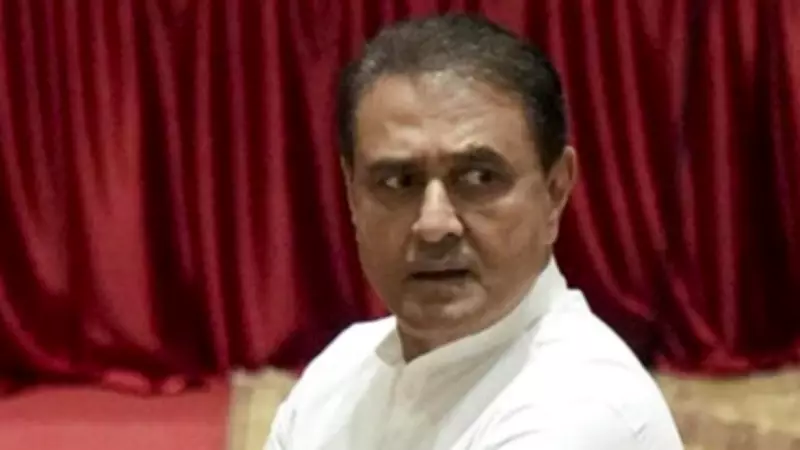
Senior political leader Praful Patel has firmly dismissed circulating media reports regarding his potential appointment as the National President of the Nationalist Congress Party (NCP). In a clear and unequivocal statement, Patel labeled these rumors as totally baseless and lacking any truth. The speculation had been gaining traction in various news outlets, prompting Patel to address the matter directly to quell any misinformation.
Praful Patel's Clarification on NCP Leadership
Patel took to social media to issue his denial, emphasizing that the reports were unfounded. He reiterated his commitment to the party's principles and ongoing activities, without providing further details on the source or motivation behind the rumors. This development comes at a time when the NCP is navigating internal dynamics and external political pressures, making leadership discussions particularly sensitive.
Raj Thackeray's Perspective on Maharashtra's Political Landscape
In a related context, Maharashtra Navnirman Sena (MNS) chief Raj Thackeray shared his views on the state's political scenario. Thackeray noted that Maharashtra's politics has been in a state of flux recently, describing it as having undergone significant turmoil. While he expressed reluctance to delve deeply into past events, he felt compelled to comment on the current developments unfolding throughout the day.

Thackeray highlighted the Nationalist Congress Party as an authentic Marathi party rooted in the soil, underscoring its regional identity and connection to the local populace. His remarks suggest a focus on the party's cultural and political significance within Maharashtra, amid broader discussions about leadership and direction.
Implications for Maharashtra's Political Future
The simultaneous statements from Patel and Thackeray underscore the volatile and evolving nature of Maharashtra's political environment. Patel's denial may aim to stabilize internal party affairs, while Thackeray's comments reflect ongoing debates about regional representation and party identities. As these narratives unfold, they could influence alliances, public perception, and strategic moves in the lead-up to future electoral contests.
Observers are closely monitoring how these developments will shape the political discourse in Maharashtra, with potential impacts on both state and national levels. The clarity from Patel and the insights from Thackeray add layers to the complex tapestry of Indian politics, particularly in a key state like Maharashtra.