

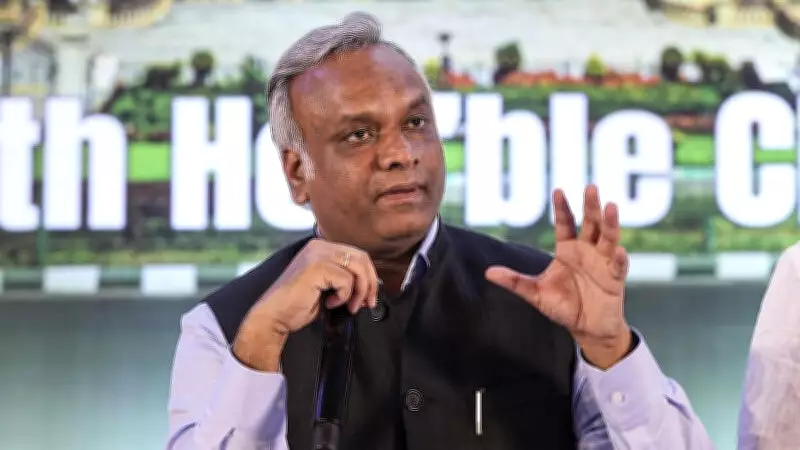
Karnataka Minister Priyank Kharge Accuses Judiciary of Legislative Overreach
In a sharp critique that has ignited a fresh debate on the separation of powers in India, Karnataka Minister Priyank Kharge has accused the judiciary of overstepping its constitutional boundaries by performing the duties of legislators. The remarks, made during a public address, highlight growing tensions between the judicial and legislative branches over their respective roles in governance.
Kharge's Comments on Judicial Encroachment
Priyank Kharge, a prominent figure in Karnataka politics and a minister in the state government, asserted that the judiciary is increasingly taking on functions that traditionally belong to the legislature. He emphasized that while the judiciary plays a crucial role in interpreting laws and ensuring justice, it should not venture into lawmaking, which is the exclusive domain of elected representatives. Kharge pointed out that this trend undermines democratic principles and could lead to an imbalance in the constitutional framework.
"The judiciary is doing the job of legislators," Kharge stated, as reported by media outlets. He argued that such actions by the courts risk diluting the authority of legislative bodies and erode public trust in democratic institutions. His comments come amid ongoing discussions about judicial activism and its impact on policy-making in India.

Media's Role in Highlighting the Issue
Kharge also addressed the media's role in this context, suggesting that it often amplifies judicial interventions without adequately questioning their constitutional validity. He urged the press to scrutinize such overreach more critically to uphold the balance of power. This aspect of his speech underscores the broader concern about how public discourse shapes perceptions of governance and accountability.
The minister's remarks have resonated with some political observers who argue that judicial overreach can stifle legislative innovation and delay necessary reforms. However, others caution that the judiciary sometimes steps in to fill gaps left by legislative inaction, especially on issues of public interest and human rights.
Implications for Karnataka and National Politics
This controversy is not isolated to Karnataka but reflects a nationwide debate on the separation of powers. In recent years, several high-profile cases have seen courts issuing directives that some view as encroaching on legislative turf. Kharge's comments add fuel to this ongoing discussion, potentially influencing political narratives ahead of upcoming elections.
As a key leader in the state, Kharge's stance may shape policy discussions within Karnataka's government, particularly on matters where judicial and legislative jurisdictions overlap. It also highlights the need for clearer guidelines to prevent conflicts between branches of government.
Conclusion: A Call for Constitutional Balance
Priyank Kharge's criticism serves as a reminder of the delicate balance required in a democracy to ensure that each branch of government operates within its designated sphere. While the judiciary must remain vigilant in protecting citizens' rights, it is equally important for legislators to assert their lawmaking authority without undue interference. This debate is likely to continue as India navigates complex governance challenges in the coming years.






