

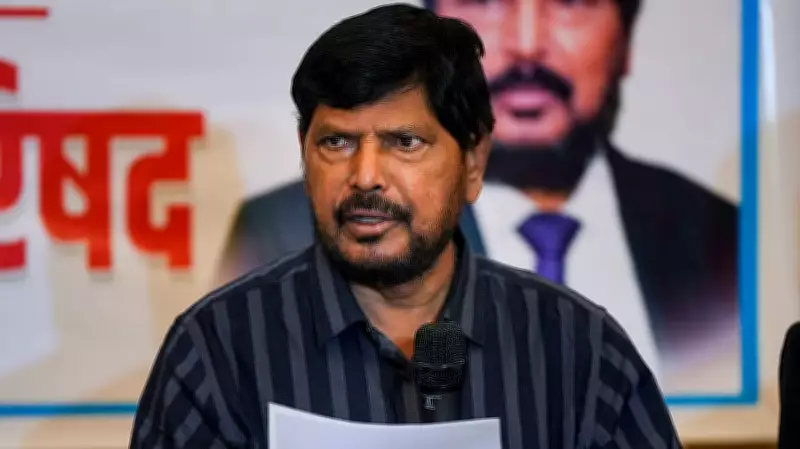
Union Minister Ramdas Athawale has called on the Maharashtra government to legalise hand-brewed liquor in the wake of the Pune hooch tragedy that claimed several lives. Speaking to the media, Athawale emphasised that such a move could both generate revenue for the state and prevent future casualties by ensuring quality control.
Revenue and Safety Benefits
Athawale noted that daily-wage workers are the primary consumers of hand-brewed liquor, often referred to as 'country liquor' or 'desi daru'. He argued that government regulation of production would not only improve safety but also create a new stream of tax income. "Legalising and regulating hand-brewed liquor can help us earn revenue while saving lives," he said.
Government Control Over Quality
The minister stressed that bringing hand-brewed liquor under government control would ensure consistent quality and curb illegal manufacturing. He pointed out that unregulated production often leads to contamination, which was the likely cause of the recent tragedy in Pune. "When the government controls production, it can enforce strict quality standards," Athawale added.

The demand comes after a spate of deaths from consuming toxic liquor in Pune, sparking outrage and calls for stricter enforcement. However, Athawale believes prohibition or heavy-handed policing is not the answer. Instead, he advocates a pragmatic approach that acknowledges the reality of alcohol consumption among the poor.
Political Reactions
The proposal has drawn mixed reactions from political quarters. While some ruling party members have expressed caution, opposition leaders have accused the government of being soft on the liquor lobby. Social organisations have also voiced concerns about the potential increase in alcohol abuse.
Nevertheless, Athawale remains firm in his stance, citing examples from other states where legalised country liquor has reduced bootlegging and improved public health outcomes. The Maharashtra government is yet to officially respond to the proposal.






