

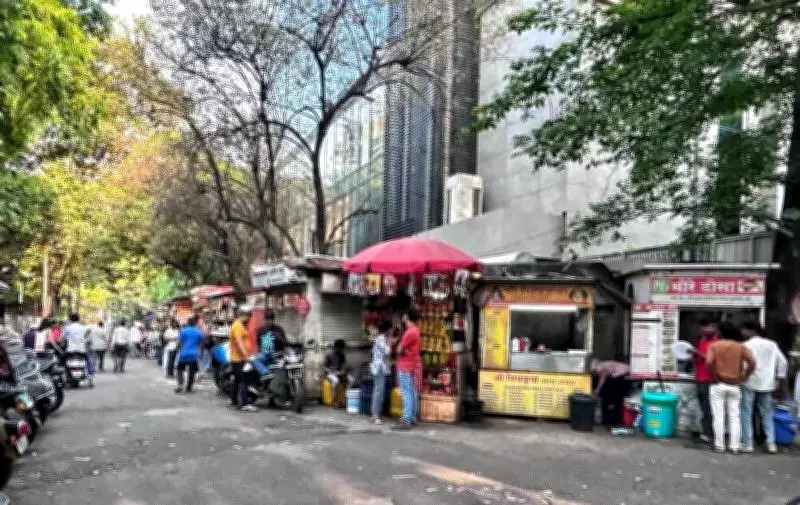
Pune Mayor Mandates Police Verification and Digital IDs for Street Vendors
In a significant move to regulate street vending across Pune, Mayor Manjusha Nagpure has issued directives to the Pune Municipal Corporation's anti-encroachment department. On Sunday, Nagpure ordered the implementation of mandatory measures including police verification and QR code-based digital identification for all street vendors operating within the city limits.
Enhanced Vigilance and 24x7 Enforcement
This initiative follows recommendations from the PMC standing committee, which suggested increased vigilance on street vending in last month's budget. The anti-encroachment department will now deploy a dedicated 24x7 squad specifically tasked with addressing illegal hawkers and unauthorized vendors.
"The primary objective of this move is twofold," Mayor Nagpure stated in an official release. "First, to curb encroachments on public roads and pedestrian pathways. Second, to ensure that the livelihoods of registered and authorized vendors are properly protected."

However, Nagpure emphasized that authorized vendors must adhere to specific conditions. They will be required to maintain public hygiene standards and ensure their operations do not create traffic obstructions or pedestrian difficulties.
Digital Transformation of Vendor Management
The introduction of QR code-based digital IDs represents a technological leap in civic management. These digital identifiers will store comprehensive data about each vendor, including:
- Business type and nature of goods sold
- Authorized vending location and zone
- Verification status and license details
- Other relevant operational information
This system aims to address long-standing complaints from residents about unauthorized vendors occupying premium road space, creating crowding issues, and posing challenges for pedestrians.
Historical Context and Current Challenges
The PMC conducted its last comprehensive survey of roadside vendors over a decade ago, during which approximately 29,000 vendors were registered and licensed across municipal limits. With Pune's expanding boundaries, growing population, and emergence of new marketplaces, current estimates suggest the number of street vendors has surged to between 40,000 and 50,000.
Sanjay Shanke of Janeev, an organization advocating for hawkers' rights, highlighted legal considerations: "The High Court has issued various directives for improved hawker management. Authorities including PMC should implement these directives fully before taking any action against street vendors."
Vendor Zones and Infrastructure Demands
Four years ago, PMC received 38,000 applications when initiating a new vendor survey. The administration finalized 525 official vendor zones, significantly fewer than the 1,900 zones requested by hawker representatives.
Vendors have expressed dissatisfaction with existing arrangements, noting that designated hawker zones lack adequate publicity and consequently fail to attract sufficient customers. They have presented several demands to authorities:
- Conduct a biometric survey of all street vendors
- Distribute updated vending certificates
- Reduce administrative fees charged to vendors
- Provide essential infrastructure at vendor zones
An anonymous hawker elaborated on infrastructure needs: "Vendor zones require clean water supply, proper drainage, toilet facilities, protective roofs against heat and rain, adequate lighting, and CCTV cameras for security."
Legal Framework and Enforcement Mechanisms
The Street Vendors (Protection of Livelihood and Regulation of Street Vending) Act, 2014 provides the legal foundation for these measures. The Act defines street vendors broadly as persons engaged in vending goods or offering services in public spaces, including hawkers, peddlers, and squatters.
While the legislation aims to protect vendors' rights, it also establishes enforcement mechanisms. Vendors may face penalties up to ₹2,000 for violations including:

- Operating without a valid vending certificate
- Contravening certificate terms and conditions
- Violating other street vending regulations
The PMC's new measures represent an attempt to balance regulatory control with livelihood protection, addressing both civic concerns about encroachment and vendors' needs for secure operating conditions.





