Pune and Pimpri Chinchwad Gear Up for Crucial Municipal Elections
Voters in Pune and Pimpri Chinchwad will finally cast their ballots on Thursday for municipal corporators. This election marks a significant moment, coming nine years after the last civic polls in 2017. The newly elected representatives will shoulder the responsibility of improving civic services and planning urban development for the next five years.
Four Years Without Elected Representatives
Both cities have operated without elected corporators for the past four years. The tenure of the previous general bodies ended in February 2022. Since then, state government-appointed administrators have managed day-to-day civic functions. Residents and political parties have eagerly awaited these elections, hoping for tangible improvements in local services.
Political experts emphasize the direct impact of civic bodies on daily life. These local self-governing institutions handle essential amenities like water supply, road maintenance, and sewage systems. Many persistent civic issues can find effective solutions through capable local leadership.

Parties and Citizens Mobilize for Voting Day
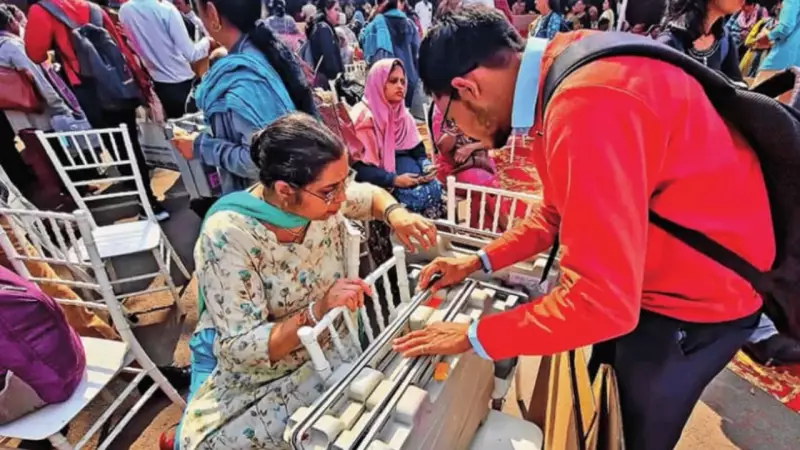
Political parties are in full swing with last-minute preparations. Workers are appointing polling-station representatives and assisting voters in locating their names on electoral rolls. Housing societies and citizen groups across the cities are also actively encouraging participation.
Sarang Wable from the Baner-Balewadi area noted that housing society committees are sending messages through social groups to achieve a 100% voting target. "We are using local WhatsApp groups to explain the voting process, as many residents are unfamiliar with it," said Sumit Dhage of the Punawale Residents' Forum.
Key Political Alliances and Contest Dynamics
The political landscape features distinct alliances:
- The Mahayuti coalition, including BJP, NCP, and Shiv Sena, is contesting independently.
- The MVA camp sees Congress and Shiv Sena (UBT) joining forces.
- For PMC and PCMC polls, the Ajit Pawar-led NCP and Sharad Pawar-led NCP SP are together.
A Congress leader highlighted the expected close contests, stating, "Since it is a local election, narrow margins are likely. Every vote will be crucial, especially in tightly contested wards." A BJP functionary confirmed their readiness with dedicated teams inside and outside polling stations to assist voters.
Civic Administrations Push for Higher Voter Turnout
Both municipal corporations are implementing measures to boost participation. The Pune Municipal Corporation (PMC) has set a target of over 60% turnout. Prasad Katkar, head of PMC's election department, detailed their efforts:
- Social media promotions and offline appeals through mobile vans.
- Radio jingles and street plays to engage citizens.
- Oath ceremonies held at various offices to encourage civic duty.
Special arrangements include over 930 wheelchairs at polling stations, ensuring senior citizens can vote without standing in long queues.
Pimpri Chinchwad's Unique Initiatives
The Pimpri Chinchwad Municipal Corporation (PCMC) is conducting polls for 128 seats across 32 wards. Once considered a stronghold of Deputy CM Ajit Pawar, the main contest here is between BJP and the alliance of two NCP factions.
The election department has established eight model polling stations, one in each ward, to promote environmental awareness. Shravan Hardikar, election officer and municipal commissioner, explained, "These stations were created to educate voters about green initiatives and environmental protection." Voters can also use an online facility on the PCMC website to verify their electoral details and locate polling stations.
Experts Stress Democratic Importance
Political analyst Surendra Jondhale underscored the significance of local bodies, empowered by constitutional amendments. "Voters must play their role in strengthening democracy by exercising their right to vote," he urged.

Chandrakant Bhujbal, a political observer, pointed out that the four-year gap since the last general body's tenure ended in February 2022 is substantial for cities already grappling with transportation and civic amenity challenges. "Forming a new general body will certainly help the administration improve basic services," he added.
As Thursday approaches, the collective effort from administrations, political parties, and citizen groups aims to ensure a robust democratic process, placing urban planning and infrastructure development in capable hands.