Pune Election Victory Signals Strong Backing for Modi's Leadership
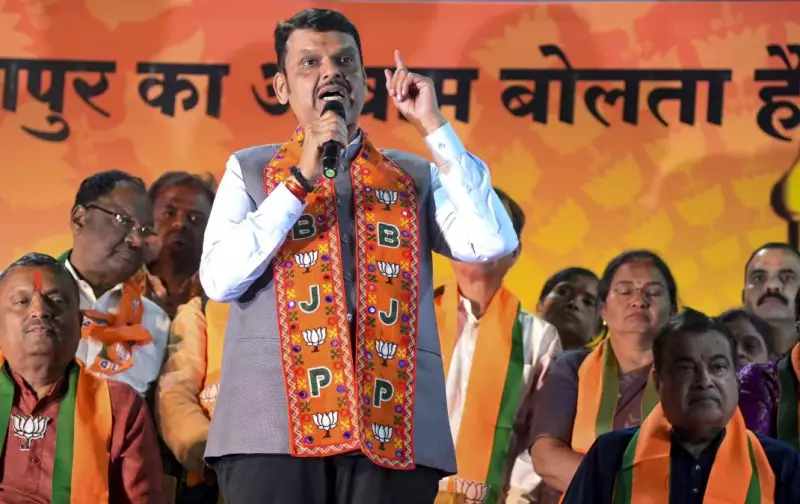
The recent election result in Pune has sent a clear political message across Maharashtra. Analysts are now interpreting this victory as a strong endorsement of Prime Minister Narendra Modi's leadership. This outcome does not represent a rejection of local leaders like Ajit Pawar or Devendra Fadnavis. Instead, it highlights the public's continued faith in the central leadership under Modi.
Understanding the Political Dynamics in Pune
Political observers have closely examined the voting patterns in Pune. They note that the electorate focused on national issues and leadership qualities. The victory reflects a strategic alignment with Modi's vision for development and governance. Local factors certainly played a role, but the overarching theme remained support for the Prime Minister's agenda.
Ajit Pawar and Devendra Fadnavis remain influential figures in Maharashtra politics. Their contributions to the state's development are widely acknowledged. The Pune result should not be seen as a verdict against their work or leadership styles. It simply underscores the dominant narrative of Modi's appeal among voters.

Key Factors Behind the Victory
Several elements contributed to this electoral success in Pune:
- National Leadership Focus: Voters prioritized national policies and Modi's leadership over purely local concerns.
- Development Agenda: The promise of continued infrastructure and economic growth resonated strongly with the electorate.
- Strategic Campaigning: Effective messaging that highlighted central government achievements played a crucial role.
- Voter Sentiment: A positive perception of Modi's governance at the national level influenced local voting decisions.
This victory demonstrates how national political figures can impact regional elections. It shows Modi's ability to connect with voters across different states and constituencies.
Implications for Maharashtra Politics
The Pune outcome has significant implications for the political landscape in Maharashtra. It reinforces the importance of aligning with the central leadership's vision. State-level leaders must now consider how to integrate national priorities with local needs.
Ajit Pawar and Devendra Fadnavis will likely continue to play key roles in shaping Maharashtra's future. Their experience and understanding of state issues remain valuable assets. The election result suggests that voters appreciate a combination of strong central leadership and capable state administration.
Political parties across Maharashtra are analyzing this result carefully. They recognize the need to balance local identity with national alignment. The Pune victory serves as a case study in modern Indian electoral politics.
Looking ahead, this trend may influence upcoming elections in other parts of the state. The emphasis on Modi's leadership could become a defining feature of political campaigns in Maharashtra. Local leaders will need to adapt their strategies to reflect this reality.