

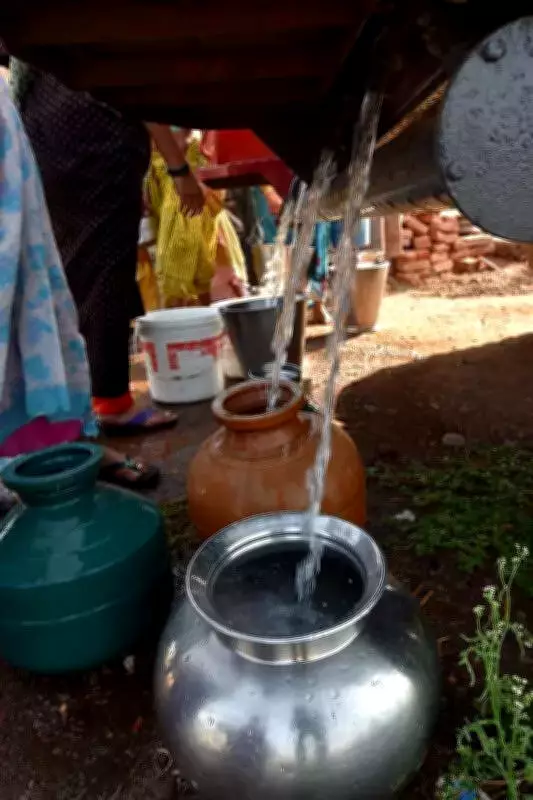
Pune Municipal Corporation Greenlights Major Water Infrastructure Project for Keshavnagar Area
In a significant move to address water supply challenges, the standing committee of the Pune Municipal Corporation (PMC) has officially approved a comprehensive Rs135-crore water scheme for the Keshavnagar (Mundhwa) region. This ambitious initiative is specifically designed to overhaul and enhance the water distribution network in the newly-merged villages, providing a sustainable solution to persistent water scarcity issues.
Comprehensive Infrastructure Components of the Water Scheme
The approved project encompasses a multi-faceted infrastructure plan aimed at creating a robust and reliable water supply system. Key components include the installation of a primary main pipeline stretching 6.19 kilometers, with diameters varying strategically from 200 mm to 800 mm to optimize flow and capacity. To facilitate efficient water movement, the scheme incorporates a high-capacity 600 kW pumping system designed to handle substantial volumes.
Furthermore, the distribution network will be extensively expanded with an additional 71.50 kilometers of pipelines, ensuring widespread coverage across the Keshavnagar area. A critical feature for maintaining consistent water pressure involves the construction of six overhead water storage tanks, each boasting an impressive capacity ranging between 2.5 and 3.5 million liters (ML). This integrated approach aims to eliminate pressure fluctuations and guarantee steady water availability.

Official Statements and Long-Term Vision for Water Security
Shrinath Bhimale, the chairman of the PMC standing committee, emphasized the project's importance, stating, "This initiative represents a critical step forward in resolving the acute water crisis faced by residents in these merged areas. It will deliver long-term relief to citizens and systematically phase out the costly and unreliable dependency on water tankers, which has been a significant burden for many households."
A senior official from the PMC's water supply department elaborated on the forward-thinking design, noting, "The entire network has been meticulously planned with future population growth projections in mind. This ensures the infrastructure will remain robust, efficient, and capable of meeting demand for decades to come, supporting sustainable urban development in the region."
Financial Allocation and Approval Process for the Project
Under the current proposal, the PMC has structured a phased financial allocation plan spanning the next three financial years: 2026-27, 2027-28, and 2028-29. Civic officials clarified that while existing funds had previously been redirected to address needs in other merged villages, a dedicated provision for Keshavnagar was deemed essential to tackle its specific water challenges effectively.
To formalize this long-term expenditure commitment, the project now awaits final approval from the PMC general body under Section 72(B) of the Maharashtra Municipal Corporations Act, 1949. This legislative step is crucial for authorizing the substantial investment and ensuring regulatory compliance.
Additional Sanctions for Social and Healthcare Infrastructure
In a parallel development, the standing committee also sanctioned Rs1.79 crore for the establishment of a new residential hostel dedicated to tribal and socially underprivileged students. This project, which had a total budgetary provision of Rs3 crore, was finalized following a competitive tendering process to ensure transparency and value for money.
Additionally, the committee cleared allocated funds for various development and renovation works at the Gadikhana Hospital located in Kasba Peth. These initiatives underscore the PMC's broader commitment to enhancing social welfare and healthcare infrastructure alongside essential utilities like water supply.
The approval of the Rs135-crore water scheme marks a pivotal moment in Pune's urban planning, aiming to transform water accessibility in Keshavnagar and set a precedent for infrastructure development in merged village areas. With its comprehensive design and phased implementation, the project promises to alleviate water shortages and improve quality of life for thousands of residents.






