

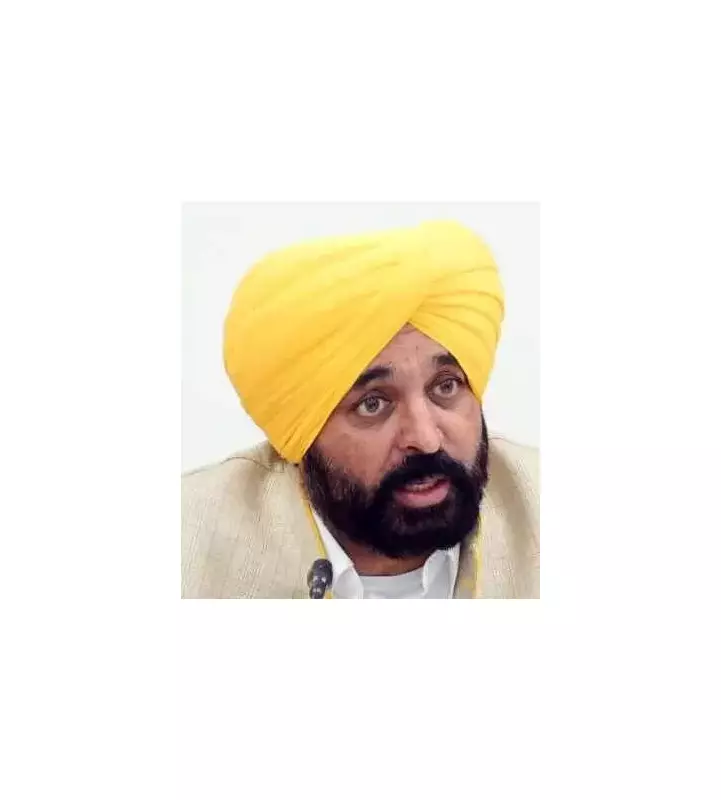
In a landmark event that brings the intricate relationship between religion and state governance into sharp focus, Punjab Chief Minister Bhagwant Mann has declared he will respond to a summons issued by the Akal Takht. The Akal Takht is recognized as the supreme temporal authority of the Sikh faith.
A Historic and Humble Submission
Chief Minister Mann confirmed his decision on Monday, stating he would set aside his official duties to appear before the religious body on January 15. He emphasized that he would present himself not as the head of the state government, but as a "humble and devout Sikh." This marks only the second instance in history where a sitting Punjab Chief Minister has been called to answer before the Akal Takht, the first being Surjit Singh Barnala in 1986.
The summons, issued by Jathedar Kuldeep Singh Garhgaj, requires Mann to be at the Akal Takht secretariat in Amritsar at 10 am. It stems from allegations that the Chief Minister made "highly objectionable comments" concerning recent Panthic, or Sikh communal, matters. The religious leadership has accused him of promoting a mindset contrary to Sikh values, labeling it an "anti-Sikh mentality."

Navigating a Conflict of Duties
The timing of Mann's appearance introduces a significant scheduling conflict. It coincides with a planned visit by President Droupadi Murmu to Guru Nanak Dev University in Amritsar on the same day. Despite this diplomatic overlap, Mann has made it clear that his religious obligations take precedence over his secular engagements.
In a public statement, Mann affirmed his devotion, saying, "Any command from Sri Akal Takht Sahib is acceptable with full reverence." He further declared, "I will walk barefoot before the Takht as a humble Sikh and not as a chief minister." He stressed that for him, the Akal Takht is supreme above all else, including his position and family, and pledged to obey the order in its "true letter and spirit."
High Political Stakes and Potential Repercussions
This event carries considerable political risk for Bhagwant Mann. The Akal Takht wields immense moral and social influence over Punjab's core Sikh electorate. How the Jathedar rules on January 15 could significantly impact the Chief Minister's standing and credibility within the community.
By submitting to the authority of the Takht, Mann is walking a delicate tightrope. He must balance his constitutional role as a secular leader with his personal religious identity and the expectations of a major section of the state's population. The outcome of this appearance is poised to shape the political discourse in Punjab, testing the boundaries between spiritual authority and elected governance.
The situation underscores a recurring theme in Punjab's politics, where the directives of the Akal Takht can profoundly influence public opinion and political fortunes. All eyes will now be on Amritsar on January 15 as this historic chapter unfolds.






