Punjab Government Mobilizes 500 Officials for Crop Damage Assessment
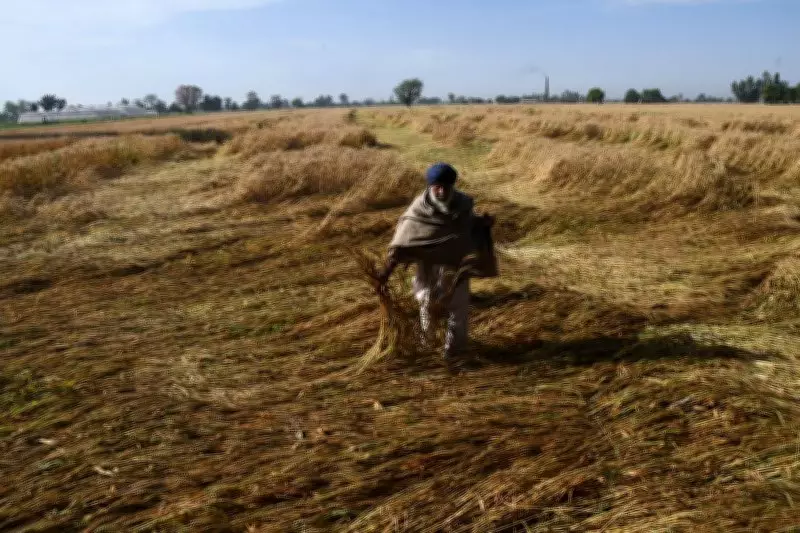
In a significant move to address agricultural distress, the Punjab government has deployed 500 officials from the state agriculture department to conduct a comprehensive assessment of crop damage across the region. This initiative comes in response to recent adverse weather conditions that have impacted farming communities, with the goal of providing timely relief and compensation to affected farmers.
Large-Scale Deployment for Accurate Evaluation
The deployment involves a substantial team of 500 officials, who are tasked with visiting farmlands throughout Punjab to evaluate the extent of damage to crops. This large-scale effort is designed to ensure a thorough and accurate assessment, covering various districts and agricultural zones. Officials will document losses caused by factors such as unseasonal rains, hailstorms, or other climatic events that have threatened crop yields this season.
The primary objective of this assessment is to gather detailed data on crop damage, which will be used to determine compensation amounts for farmers under state and central government schemes. By mobilizing such a significant number of personnel, the government aims to expedite the process, reducing delays in aid distribution and helping farmers recover from their losses more quickly.

Focus on Farmer Welfare and Support
This deployment underscores the Punjab government's commitment to supporting its agricultural sector, which is a cornerstone of the state's economy. Farmers in Punjab have faced challenges due to unpredictable weather patterns, leading to concerns about crop viability and financial stability. The assessment by agriculture officials is expected to provide a clear picture of the damage, enabling targeted interventions.
Officials will be assessing damage to key crops such as wheat, rice, and vegetables, which are vital to Punjab's agricultural output. The evaluation process will include on-ground inspections, data collection on affected acreage, and estimates of yield loss. This information is crucial for implementing relief measures, such as financial assistance or input subsidies, to help farmers mitigate the impact of crop damage.
Steps in the Assessment Process
The assessment will follow a structured approach to ensure efficiency and accuracy:
- Field Visits: Officials will conduct direct inspections of farmlands to observe and record damage.
- Data Collection: They will gather information on the type of crops affected, extent of damage, and number of farmers impacted.
- Reporting: Findings will be compiled into reports for review by higher authorities.
- Compensation Calculation: Based on the assessment, compensation amounts will be calculated according to government guidelines.
This proactive measure is part of broader efforts to enhance farmer welfare in Punjab, aligning with state policies aimed at bolstering agricultural resilience. By deploying 500 officials, the government hopes to complete the assessment swiftly, ensuring that support reaches farmers in need without unnecessary delays.
The initiative reflects a responsive approach to agricultural crises, emphasizing the importance of timely action in safeguarding farmer interests and maintaining food security in the region.