Punjab Farmers Push for Border Fence Relocation to Bolster Security and Land Use
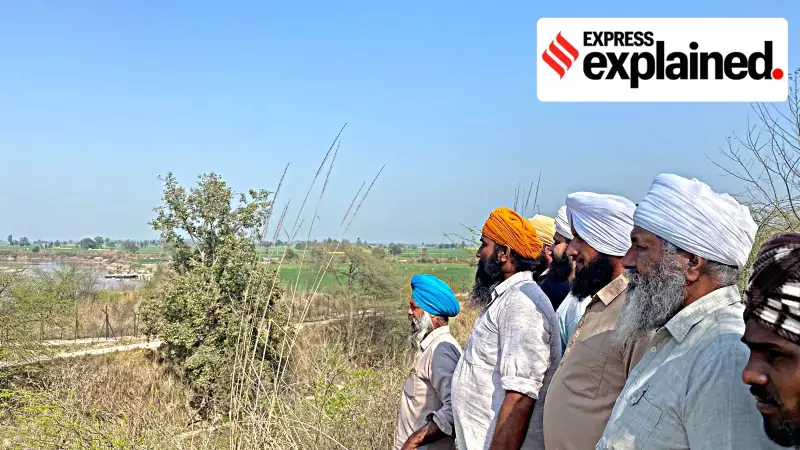
In a significant development affecting border regions, farmers in Punjab have intensified their calls for the government to move the security fence closer to the international border with Pakistan. This demand stems from a combination of security vulnerabilities and economic pressures that have long plagued agricultural communities in the area. The existing fence, positioned further inland, has created a buffer zone that restricts farmers from accessing and cultivating their own lands, leading to substantial financial losses and heightened risks from cross-border activities.
Security Imperatives Driving the Demand
The primary motivation behind this push is the enhancement of security measures along the volatile border. Farmers argue that the current placement of the fence, which is set back from the actual border line, leaves a considerable stretch of land exposed and unprotected. This gap has reportedly facilitated illegal crossings, smuggling operations, and occasional infiltration attempts, posing direct threats to local residents and their livelihoods. By relocating the fence closer to the border, proponents believe it would create a more robust defensive barrier, reducing the likelihood of such incidents and providing a greater sense of safety for those living and working in proximity to Pakistan.
Economic and Agricultural Concerns at Stake
Beyond security, the issue is deeply rooted in economic hardships faced by the farming community. The buffer zone enforced by the existing fence has rendered thousands of acres of fertile agricultural land inaccessible to farmers who legally own it. This has not only resulted in lost crop production and income but has also forced many to abandon traditional farming practices, exacerbating rural distress. Farmers emphasize that moving the fence would allow them to reclaim and cultivate these lands, thereby revitalizing local agriculture and boosting the regional economy. The demand highlights a critical need to balance national security interests with the rights and welfare of border-area populations.

Historical Context and Ongoing Debates
This demand is not entirely new; it echoes longstanding grievances that have surfaced periodically in response to border tensions and policy shifts. The region has witnessed similar discussions in the past, particularly during periods of heightened India-Pakistan relations or following specific security breaches. Current advocacy efforts are gaining momentum as farmers organize protests and engage with authorities, underscoring the urgency of addressing both security and agrarian issues. The situation also reflects broader debates about border management strategies in sensitive zones, where competing priorities of defense and development often collide.
Potential Implications and Future Outlook
If implemented, relocating the fence could have far-reaching implications. On the positive side, it might enhance border surveillance, deter illicit activities, and restore agricultural productivity, potentially improving the quality of life for residents. However, such a move would require significant logistical planning, financial investment, and diplomatic considerations, given the sensitive nature of the India-Pakistan border. It could also spark discussions on land rights and compensation for affected farmers. As the debate continues, stakeholders are closely monitoring government responses, which will shape the future of border security and rural livelihoods in Punjab.