

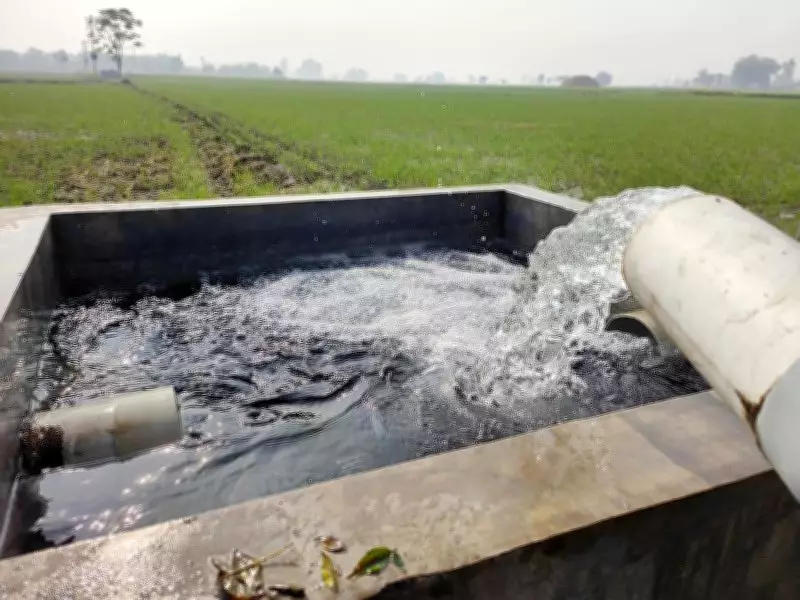
Punjab Groundwater Levels Show Significant Improvement Over Past Decade
In a positive development for water resources in the region, data from the Central Ground Water Board (CGWB) reveals that 57% of wells in Punjab have shown a rise in groundwater levels over the past 10 years. This finding highlights a notable shift in the state's water dynamics, which have long been a concern due to over-extraction and depletion issues.
Detailed Analysis of Groundwater Trends
The CGWB data, compiled from extensive monitoring across Punjab, indicates that the majority of wells have experienced an upward trend in water tables. This improvement is attributed to various factors, including enhanced water conservation efforts, better irrigation practices, and increased awareness about sustainable water usage. The data covers a wide range of wells, providing a comprehensive overview of the state's groundwater health.
Over the decade, the rise in groundwater levels has been observed in both rural and urban areas, suggesting that the positive impact is widespread. This trend is particularly significant given Punjab's agricultural reliance on groundwater for irrigation, which has historically led to severe depletion in many parts of the state.

Implications for Water Management and Agriculture
The increase in groundwater levels has important implications for Punjab's water management strategies and agricultural sustainability. Improved water tables can lead to reduced dependency on surface water sources and lower the risk of water scarcity during dry seasons. This, in turn, supports crop yields and farmer livelihoods, which are crucial for the state's economy.
However, experts caution that while the rise is encouraging, continuous monitoring and proactive measures are necessary to maintain this trend. Factors such as climate change, population growth, and industrial demands could still pose challenges to groundwater sustainability. The CGWB data serves as a valuable tool for policymakers to design targeted interventions and promote long-term water security.
In summary, the CGWB data underscores a promising shift in Punjab's groundwater scenario, with 57% of wells showing improved levels over the past decade. This progress reflects the effectiveness of ongoing water management initiatives and sets a positive precedent for future conservation efforts in the region.






