

Punjab Government Considers Retaliatory Tax on Himachal Pradesh Vehicles
Chandigarh: The Punjab government is actively considering a tit-for-tat tax on vehicles entering from Himachal Pradesh, less than a month after the hill state increased its entry fees for out-of-state vehicles. This potential move has sparked significant debate in the state's legislative assembly, highlighting tensions over inter-state financial policies and border regulations.
Background of the Entry Fee Dispute
On February 19, the Himachal Pradesh government hiked entry fees for various vehicle categories, with the steepest rise affecting private cars—from Rs 70 to Rs 170. This decision has not sat well with Punjab residents, who frequently travel across the over 250-kilometer-long shared border for tourism, family visits, and other purposes. The issue was raised during question hour in the Punjab Vidhan Sabha by AAP MLA Dinesh Kumar Chadha, who questioned the state's response to Himachal's actions.
Legal and Financial Implications
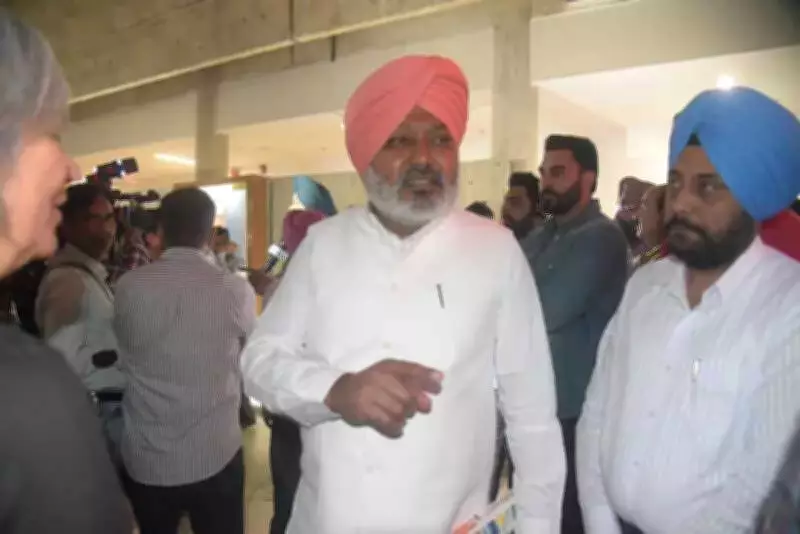
In response to Chadha's query, Finance Minister Harpal Singh Cheema addressed the assembly, noting that under the GST framework, the principle of "one nation, one tax" generally prohibits states from imposing such taxes on each other. He described Himachal's decision as "unfortunate," suggesting it might stem from the neighbouring state's financial troubles. Cheema announced that he would request the local government department to examine legal provisions to determine if municipal corporations and councils in Punjab could be empowered to levy a similar tax on vehicles from Himachal.

Chadha argued that if Himachal could enact such a tax through its assembly, Punjab should be able to do the same. However, Cheema clarified that Himachal, as a hill state, enjoys special provisions allowing for different types of legislation, which may not apply to Punjab.
Assembly Discussions and Next Steps
Speaker Kultar Singh Sandhwan joined the discussion, remarking that even village sarpanches have powers to impose local levies and urged the government to thoroughly examine the matter. Cheema assured the House that he, along with ministers from the PWD and local government departments, would discuss the issue with the Advocate General. "If the law permits, we will impose the tax. There is no issue," the finance minister stated, indicating a firm stance on potential retaliation.
Other Key Discussions in the Vidhan Sabha
Odisha Seeks Healthcare Practices from Punjab: Health Minister Dr. Balbir Singh informed the assembly that the Odisha government has requested details of Punjab's healthcare initiatives, such as Aam Aadmi Clinics and the STEMI programme. The Punjab government has agreed to share these best practices to support inter-state collaboration in health services.
Infrastructure Delays Addressed: Speaker Kultar Singh Sandhwan expressed concern over prolonged delays in the construction of the Adampur bridge and the four-laning of the Jalandhar–Hoshiarpur road. He directed Public Works Minister Harbhajan Singh ETO to investigate the reasons behind these delays and hold officials accountable to alleviate public inconvenience.
Re-inauguration of Project Questioned: Jalandhar North MLA Avtar Singh Junior raised concerns about the alleged re-inauguration of an ongoing project at Burlton Park sports complex in Jalandhar, involving an expenditure of Rs 1.75 crore. Local Government Minister Sanjeev Arora assured the House that he would gather details on the matter, as he was not previously aware of the incident.
Fazilka Bus Stand Probe Called For: The assembly discussed the non-operational new bus stand in Fazilka, with MLA Narinder Pal Singh Sawna demanding a probe into its construction. Transport Minister Laljit Singh Bhullar revealed that the bus stand was built without proper permission, costing around Rs 5.5 crore, and called for an inquiry. He noted that shifting operations to the new facility would result in an estimated annual loss of Rs 1 crore and cited local objections, emphasizing that the land belongs to the municipal council, which should lead the investigation.






