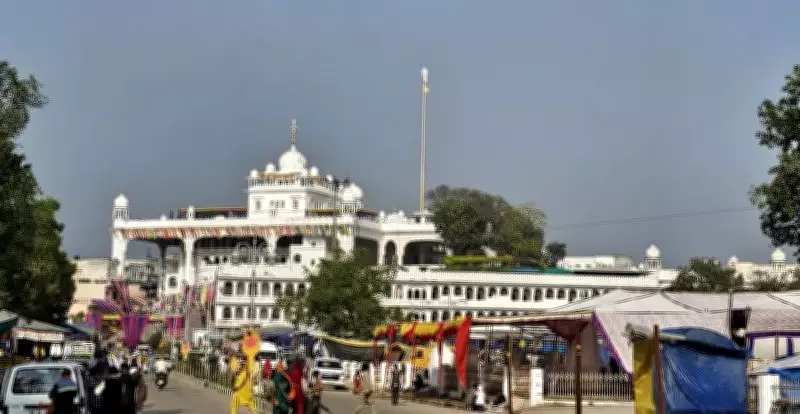
Punjab Tourism Department Suspends Anandpur Sahib Heritage Street Initiative
The Punjab Tourism Department has officially shelved the proposed Anandpur Sahib Heritage Street project, a decision that comes in response to strong objections raised by the Shiromani Gurdwara Parbandhak Committee (SGPC). This move halts a significant development plan aimed at enhancing tourism infrastructure around one of Sikhism's most revered sites.
Background and Project Overview
The Anandpur Sahib Heritage Street project was conceived as a strategic initiative to boost tourism and economic activity in the region. It involved the creation of a dedicated heritage street near the historic town of Anandpur Sahib, which holds immense religious significance as the birthplace of the Khalsa and a major pilgrimage destination for Sikhs worldwide. The project aimed to develop amenities such as walkways, lighting, and cultural displays to improve visitor experience and promote local heritage.
SGPC's Objections and Concerns
The Shiromani Gurdwara Parbandhak Committee (SGPC), the apex religious body managing Sikh gurdwaras, voiced several key objections that led to the project's suspension. Their concerns primarily revolved around:

- Religious Sanctity: The SGPC argued that the project could potentially disrupt the spiritual atmosphere and sanctity of Anandpur Sahib, a site central to Sikh faith and history.
- Heritage Preservation: There were fears that construction and commercialization might compromise the area's cultural and historical integrity, including its architectural and environmental aspects.
- Lack of Consultation: The SGPC highlighted that they were not adequately consulted during the planning stages, raising issues about transparency and stakeholder involvement.
These objections prompted a reevaluation by the Punjab Tourism Department, which ultimately decided to put the project on hold to address the concerns and avoid any potential conflicts.
Implications and Future Steps
The suspension of the Anandpur Sahib Heritage Street project has several implications for tourism and community relations in Punjab. On one hand, it reflects the government's responsiveness to religious and cultural sensitivities, potentially fostering better cooperation with the SGPC. On the other hand, it delays planned tourism enhancements that could have boosted local economies and showcased Punjab's rich heritage to a broader audience.
Moving forward, the Punjab Tourism Department may need to engage in more inclusive dialogues with stakeholders like the SGPC to redesign or modify the project. This could involve:
- Conducting detailed impact assessments to ensure religious and heritage preservation.
- Incorporating feedback from local communities and religious authorities in revised plans.
- Exploring alternative tourism initiatives that align with cultural values while promoting economic growth.
This development underscores the delicate balance between modernization and tradition, particularly in regions with deep historical and religious significance. It serves as a reminder that tourism projects must be sensitive to local contexts to succeed sustainably.