

Bengaluru: As Karnataka stands on the brink of another high-stakes political transition, an uncomfortable question is beginning to trouble Congress brass in Delhi: Is Rahul Gandhi at risk of repeating a political miscalculation that disrupted the party’s social base in the state more than three decades ago?
The 1990 Precedent
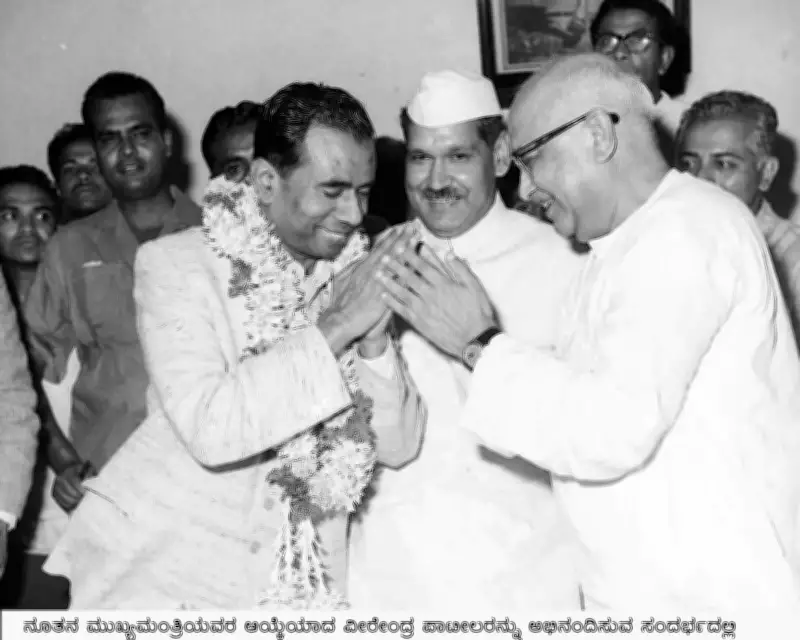
In 1990, the abrupt removal of veteran Lingayat functionary and then chief minister Veerendra Patil by then Congress president Rajiv Gandhi marked a defining moment in Karnataka politics. Patil, battling serious health issues at the time, was unceremoniously removed by the high command with Rajiv Gandhi making the announcement at Bangalore’s airport. Lingayats perceived it as humiliating and deeply disrespectful to one of their tallest leaders.
The fallout was not merely bitter — its political consequences were historic. The Lingayat community, once a dependable Congress support base and a dominant force in Karnataka’s electoral politics, gradually drifted away from Congress and gravitated toward BJP. That shift laid the foundation for BJP’s rise in Karnataka.

Current Political Dynamics
Now, more than three decades later, Karnataka Congress finds itself facing a similarly delicate moment. This time, the issue is the powerful Ahinda coalition — minorities, backward classes and Dalits. The Ahinda social bloc has long been the backbone of Siddaramaiah’s political identity and remains one of the party’s strongest electoral pillars.
But with growing speculation that deputy CM DK Shivakumar could replace Siddaramaiah under an alleged power-sharing arrangement, discontent is brewing within sections of the party. While Shivakumar enjoys support among the Vokkaliga community and retains the confidence of the Gandhi family, several party strategists fear that the removal of Siddaramaiah midway through his term could send a damaging message to Ahinda voters — especially if the transition is perceived as politically engineered from New Delhi.
Symbolism vs. Rebellion
Unlike Veerendra Patil’s exit, Siddaramaiah’s possible departure may not trigger an open rebellion. Yet, politically, the symbolism could prove equally significant. Siddaramaiah is not merely a CM; for many backward caste communities, he represents social assertion and political empowerment in a state historically dominated by powerful caste elites such as Lingayats and Vokkaligas. Even the perception that he was “removed” despite leading a stable government and welfare-driven administration could deepen resentment among sections of the Congress’ traditional support base.
However, some political observers believe Congress has handled the situation more cautiously this time. “Speculation around a leadership change has been circulating for months, both online and offline. People have gradually come to terms with the possibility of Siddaramaiah stepping aside, so it has not come as a shock to many,” a political tracker said.
The Balancing Act
Amid this backdrop, the high command faces a delicate balancing act. On one side is Shivakumar — the loyal organisational troubleshooter who has patiently waited for his turn and enjoys immense goodwill within the leadership. On the other is Siddaramaiah — the mass leader whose Ahinda coalition remains electorally crucial if the party hopes to retain power in the 2028 assembly elections.






