Rajasthan Bus Operators Announce Chakka Jam Strike on January 24
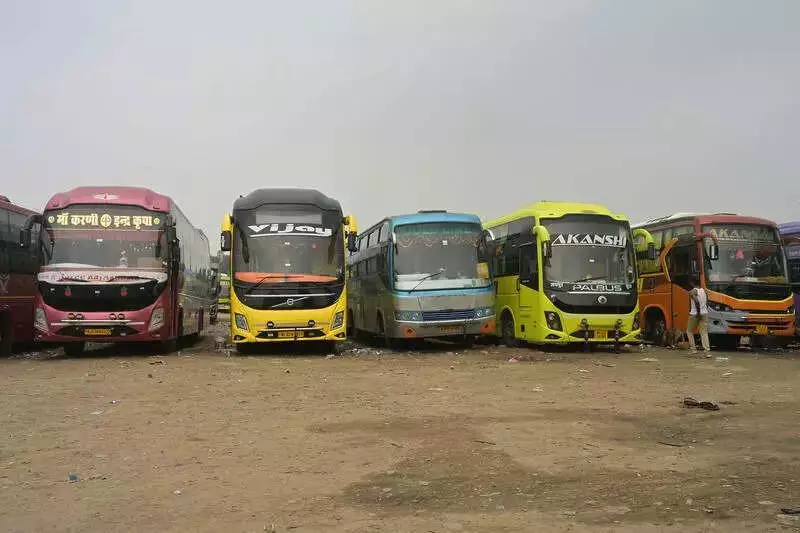
Private bus operators in Rajasthan have decided to stage a one-day 'chakka jam' strike on January 24. This protest action targets the strict checks conducted by the state transport department on bus body norms in Jaipur. Operators express deep frustration over the situation.
Operators Cite Heavy Fines and Operational Hurdles
Bus operators report that heavy challans are being issued to them. Officials from the transport department defend these actions, stating they are necessary to ensure safe travel for passengers. The conflict centers on enforcement practices.
In a formal letter to the state government, the Bus Operator Society Rajasthan outlined the grievances. The letter states that every bus operator in Rajasthan faces multiple problems. These issues include bus body code compliance, registration type approval, and bus body manufacturer specifications.

Other listed concerns involve luggage carrier rules, emergency door standards, increased motor vehicle tax rates, and inadequate bus stand halting points and parking spaces. The collective decision for a strike emerged from these persistent challenges.
A Symbolic Strike to Amplify Their Voice
The letter clearly announces the planned action. "To make our voices heard, a symbolic strike and complete halt of passenger buses in the state will be observed on Jan 24," it states. This means a full stoppage of private bus services across Rajasthan for that day.
Kailash Sharma, vice-president of the Private Bus Operator Association Stage Carriage, provided further details. He explained that private passenger buses are frequently halted for additional checks. Sharma alleges these checks are primarily for revenue collection purposes.
"Even after submitting all the documents online and having a valid receipt issued by the authorities online, during on-ground checks, challans are issued and hefty fines are recovered from us," Sharma said. This process, he argues, ultimately affects passengers negatively.
Passenger Inconvenience and Financial Burden
Sharma highlighted the direct impact on travelers. "If we protest, then passengers have to wait in the middle of their journey and they suffer," he noted. The fines being imposed are substantial, often exceeding Rs 10,000 per incident.
Operators question the logic behind these additional financial demands. "We are given permits to operate only after paying all relevant taxes, then why are we asked to pay additional taxes. If there are some tax dues, then what about the permits issued to us earlier," Sharma added, pointing to a perceived inconsistency in policy enforcement.
Transport Department's Safety Justification
Officials from the transport department maintain a different perspective. They assert that all action is taken strictly in accordance with road safety guidelines. The primary objective, they say, is passenger safety.
The department's stance is that checks and fines are essential tools to enforce compliance with safety standards. This enforcement aims to prevent accidents and ensure reliable public transport. The upcoming strike on January 24 sets the stage for a direct confrontation between these two viewpoints.