Ranchi Civic Body Elections Finally Get Dates After Long Delay
The State Election Commission of Jharkhand has officially announced the much-awaited schedule for the civic body polls in Ranchi, bringing an end to the prolonged uncertainty surrounding these local elections. With this announcement, the model code of conduct has immediately come into effect across all concerned municipalities.
Detailed Election Schedule and Structure
According to the official notification released on Tuesday, voting for all 48 civic bodies will be conducted on February 23, followed by the counting of votes on February 27. State Election Commissioner Alka Tiwari provided comprehensive details about the electoral process while sounding the official poll bugle.
The electoral landscape comprises nine municipal corporations, twenty municipal councils, and nineteen nagar parishads, totaling 1,087 electoral wards. Commissioner Tiwari clarified that 42 of these civic bodies are either completing their tenure or awaiting elections, while six are newly formed municipalities where voting will occur for the first time.

Key Electoral Parameters and Arrangements
The newly elected municipal bodies will serve a five-year term, as confirmed by the election commission. In a significant decision, the voting will be conducted exclusively through traditional ballot papers, with all necessary groundwork already completed. Notably, the NOTA (None of the Above) option will not be available to voters in this election.
The total electorate for these municipal elections stands at 43,33,574 voters, comprising 22,07,203 male voters, 21,26,227 female voters, and 144 third gender voters. For smooth polling, authorities have established 4,304 polling stations across 2,129 buildings, with all district administrations directed to ensure basic minimum facilities at each location.
Political Reactions and Controversies
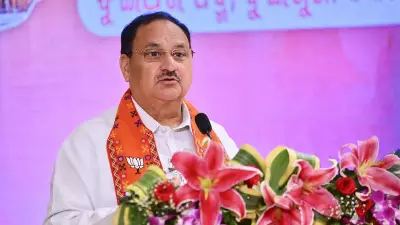
The election announcement has triggered mixed reactions from political parties, revealing clear divisions regarding the electoral process. The Bharatiya Janata Party (BJP), while welcoming the election announcement, has accused the state government of using ballot papers to potentially influence election outcomes.
State BJP President Aditya Sahu expressed disappointment, stating, "We consistently demanded that these elections be conducted on party lines using Electronic Voting Machines (EVMs), similar to the 2018 civic body elections. However, the Hemant Soren government's intentions don't appear transparent or clean in this matter."
Contrastingly, the Congress party, which is part of the ruling alliance in Jharkhand, has welcomed the decision to use ballot papers. Party chief spokesperson Lal Kishore Nath Shahdeo asserted, "Although these elections aren't based on party symbols, our organization is fully prepared to ensure victory for Congress-supported candidates. We will also work diligently for the success of our alliance-backed candidates."
Responding to BJP's allegations, Shahdeo countered, "The BJP's apprehension about ballot papers reveals their lack of faith in people's direct voting. They have developed expertise in manipulating EVMs, which explains their resistance to traditional voting methods."
Electoral Framework and Procedures
The election notification specifies that these municipal elections will not be contested on party lines, with voting focused on electing ward members and mayors directly. However, the position of deputy mayor or vice-chairperson has been designated as unreserved and will be filled through indirect election processes after the formation of the new municipal bodies.

This comprehensive electoral exercise represents a significant democratic process for urban local governance in Jharkhand, with all administrative preparations now in full swing to ensure free, fair, and transparent elections across all 48 municipal bodies.