RJD's Surprising Break from 36-Year Iftar Tradition in Bihar
In a significant departure from established political practice, Bihar's main opposition party, the Rashtriya Janata Dal (RJD), has broken its 36-year tradition of hosting Iftar parties this year. The party, led by veteran leader Lalu Prasad Yadav, has consistently organized these gatherings since Lalu first became Bihar's chief minister in March 1990, making their absence particularly noteworthy in the state's political landscape.
Political Rivals Continue Tradition as RJD Stays Away
While the RJD abstained from hosting the politically significant event, its rivals including the Janata Dal (United), Lok Janshakti Party (Ram Vilas), and Hindustani Awam Morcha (Secular) all organized their own Iftar gatherings. This contrast has drawn attention to the RJD's unusual decision during a period when such events typically shape political equations and potential alliances in Bihar.
Official Reasons Versus Insider Perspectives
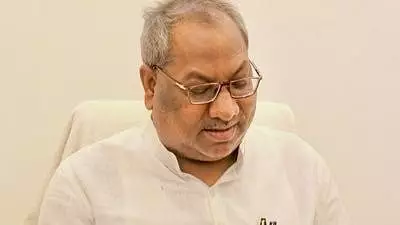
RJD spokesperson Shakti Singh Yadav officially attributed the decision to Lalu Prasad's poor health and his involvement in ongoing court cases. "The RJD stands for secularism, social justice and socialism, and none should give lessons to us for not hosting the Iftar party," Yadav stated emphatically on Saturday. He further criticized political opponents, saying, "Those whose hands are stained with communalism should not lecture the RJD on secularism."

However, party insiders reveal a different story. According to sources within the organization, top leaders are experiencing severe depression following the party's humiliating defeat in last year's assembly elections and the subsequent setback in recent Rajya Sabha polls. The Rajya Sabha defeat was particularly stinging because the opposition had sufficient numbers to win, but the absence of RJD MLA Faisal Rahman along with three Congress legislators led to the loss of lone opposition candidate A D Singh.
BJP Questions the Break from Tradition
The Bharatiya Janata Party (BJP) quickly seized upon the development, questioning why the RJD had broken its decades-old tradition. "Only defeats in the elections and RJD's Iftar parties are over now," the BJP remarked pointedly, highlighting what they perceive as the party's declining influence in Bihar politics.
The Historical Significance of Iftar Parties in Bihar Politics
While Iftar parties may appear to be simple social gatherings on the surface, they have historically played a crucial role in shaping Bihar's political landscape. These events have frequently set the tone for changing political equations, potential alliances, and even government formations in the state.
Several notable instances demonstrate their importance:
- Governments have changed after rivals came together at Iftar parties, exchanged warm greetings, and shared sweets
- In April 2022, an Iftar party hosted at former chief minister Rabri Devi's official residence in Patna was attended by NDA chief minister Nitish Kumar for the first time since 2017
- Barely three months after that gathering, the NDA government was replaced by the Grand Alliance government, bringing the RJD back to power
- Even political rivals like Chirag Paswan have attended RJD-hosted Iftar events, setting aside bitterness and showing respect to senior leaders
Concerns Within Party Ranks
The decision has caused concern among RJD workers and leaders who view these traditional gatherings as essential to maintaining the party's identity and political connections. One party worker, speaking anonymously, expressed shock at the development: "The RJD has been known for celebrating various festivals with enthusiasm. Sadly, it neither organized the chura-dahi feast during Makar Sankranti, Holi Milan nor the Iftar party this year... We are shocked, nothing like this happened in the past."
The worker further noted that the party had continued hosting Iftar parties even during periods when it had as few as 22 MLAs in the assembly, making this year's absence particularly unusual. "Earlier when Lalu ji was active, he would listen to our advice and act on it but right now, there is none to listen to us," the worker lamented.

Questions About Leadership and Future Direction
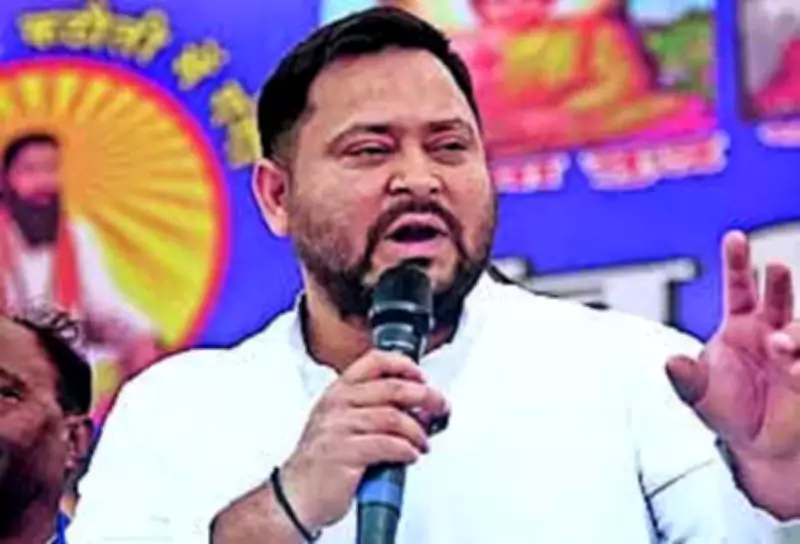
Another party leader raised concerns about the party's national working president Tejashwi Prasad Yadav's frequent absences from the state and legislative proceedings. "It seems he is still to recover from the shocks of defeat. If such things continued further, the party workers and leaders would lose confidence," the leader observed, advising Tejashwi to transform "adversity into opportunities."
The break from this long-standing tradition comes at a critical juncture for the RJD, which has historically positioned itself as a champion of secular values and social justice in Bihar. As political observers analyze this development, questions remain about whether this represents a temporary pause or a more fundamental shift in the party's approach to maintaining its political relationships and public presence in the state.