

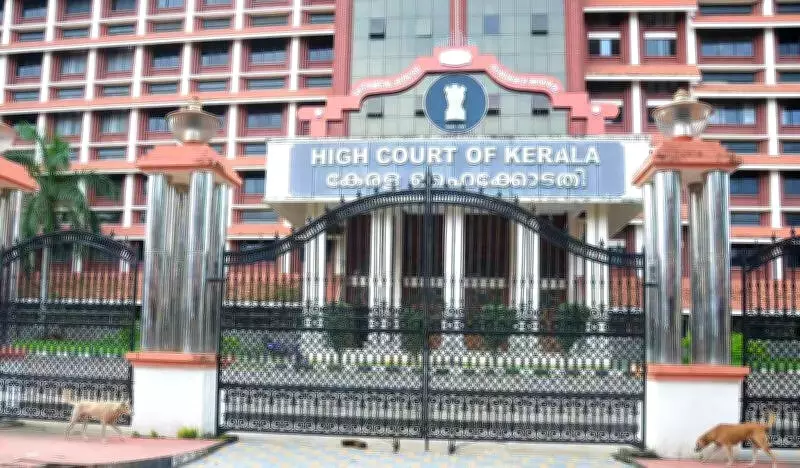
Kerala Audit Report Uncovers Rs 25.52 Lakh Shortfall in Sabarimala Temple Ghee Sales
An interim report submitted by the Kerala state audit department to the High Court has revealed a significant financial discrepancy in the sale of 'aadiya sishtam Ghee' at the Sabarimala temple. The report states that there is a shortfall of Rs 25.52 lakh in the proceeds, raising serious concerns about the management of temple funds.
Lack of Measurement and Casual Record-Keeping
The report, filed by the joint director of the audit department, highlights that no volumetric measurement of the ghee quantity is conducted at any stage—collection, filtration, or post-filtration. This omission undermines the accuracy and transparency of the accounting process, making it difficult to track the flow of ghee accurately.
Furthermore, all details related to the distribution of ghee pouches to sales counters are recorded in four unruled school notebooks in a highly casual manner. The entries in these notebooks are largely illegible and marked by frequent corrections and omissions, indicating a lack of proper documentation and oversight.

Massive Fluctuations in Pouch Production
The audit report also points to massive fluctuations in the number of ghee pouches produced per kilogram of plastic roll. On some days, the yield was as low as 332 pouches per kg, while on others, it increased to as high as 636 pouches per kg. Such inconsistencies suggest potential mismanagement or irregularities in the production process, further complicating the financial audit.
Recommendations for Comprehensive Audit and Digital Solutions
To address these issues, the report recommends a full audit of all phases, including preparation, distribution, sales, and remittance, to assess the total extent of misappropriation. It also suggests implementing digital flow meters for volumetric ghee measurement and an automatic numbering system for pouches to enhance transparency and accountability.
Additionally, the audit officials have proposed expanding the audit to cover the period from February to October 2025 to determine whether previous losses had occurred. Given the huge volume of transactions and the workload involved, a quarterly audit of monthly poojas at Sannidhanam and Pamba was also recommended to ensure ongoing oversight.
High Court Directs Full-Fledged Audit
Noting the irregularities highlighted in the report, the High Court has directed the audit department to carry out a full-fledged audit and submit a detailed report. This will enable the court to examine the identified irregularities and ensure that appropriate corrective and remedial measures are taken without delay.
Accordingly, the bench of Justices V Raja Vijayaraghavan and K V Jayakumar has adjourned the petition to April 1, pending the completion of the comprehensive audit. The court's intervention underscores the importance of financial integrity in temple management and the need for robust systems to prevent future discrepancies.






