Sanjay Raut's 'Political Psychopaths' Comment Ignites Political Firestorm in Maharashtra
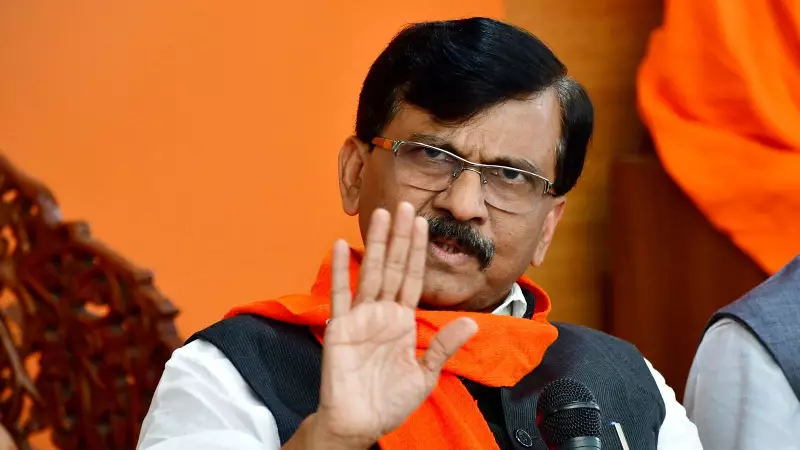
In a recent development that has sent shockwaves through the political landscape of Maharashtra, Shiv Sena (UBT) leader Sanjay Raut made a highly controversial statement, referring to certain political opponents as 'political psychopaths'. This remark, delivered during a public address in Mumbai, has not only drawn sharp criticism from rival parties but has also intensified the ongoing political tensions in the state. The comment comes at a time when Maharashtra is already grappling with complex political dynamics, making Raut's words particularly incendiary and significant.
Reactions from MNS and Shinde Sena Escalate the Conflict
The Maharashtra Navnirman Sena (MNS) and the Shinde faction of the Shiv Sena have responded with strong condemnation to Raut's characterization. Leaders from both parties have accused Raut of using inflammatory and unparliamentary language, which they argue undermines the dignity of political discourse. The MNS, known for its assertive stance on regional issues, has demanded an immediate apology from Raut, while the Shinde Sena has labeled the remark as a desperate attempt to divert attention from more pressing governance matters. This backlash highlights the deep-seated rivalries and personal animosities that continue to define Maharashtra's political environment.
KDMC Context and Broader Political Implications
The controversy is further complicated by its connection to the Kalyan-Dombivli Municipal Corporation (KDMC), where political alliances and conflicts often play out on a local level. Raut's comment is seen by many analysts as a strategic move to galvanize support ahead of potential electoral battles in the region. However, it also risks alienating moderate voters who may view such rhetoric as divisive and counterproductive. The incident underscores the broader challenges facing Indian politics, where personal attacks and sensational statements sometimes overshadow substantive policy discussions and public welfare initiatives.

Analysis of Political Rhetoric and Its Impact on Public Perception
Political observers note that Raut's use of the term 'political psychopaths' reflects a growing trend in Indian politics where leaders resort to extreme language to capture media attention and mobilize their base. While such tactics may energize core supporters, they can also erode public trust in political institutions and foster a climate of hostility. In Maharashtra, where coalition politics and factional disputes are common, this episode serves as a reminder of the delicate balance between assertive campaigning and maintaining decorum in public discourse. The long-term impact on voter sentiment and inter-party relations remains to be seen, but the immediate fallout has certainly added fuel to an already volatile political fire.