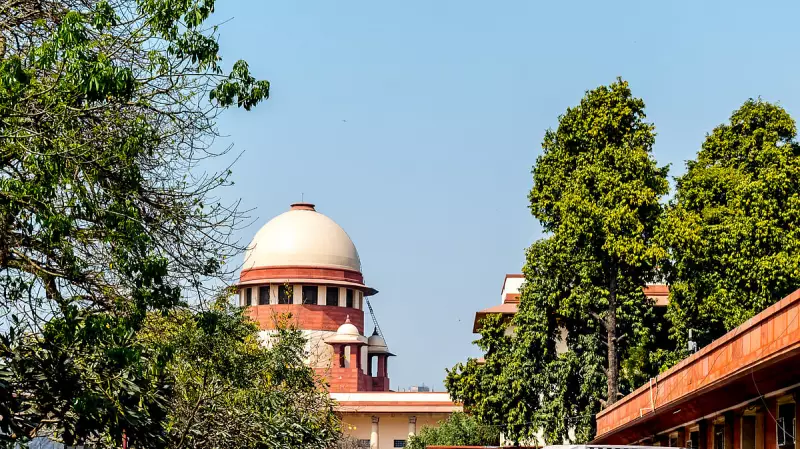
The Supreme Court of India has officially scheduled a crucial hearing for DMK's legal challenge against the Special Intensive Revision process in Tamil Nadu. The case will be heard on Tuesday, November 11, marking a significant development in the ongoing political and legal tussle.
Court Proceedings and Scheduling
During a recent mentioning before the court, a bench led by Chief Justice of India B R Gavai confirmed that the case would be listed for hearing on the specified date. The judicial acknowledgment came after proper legal procedures were followed to bring the matter to the court's attention.
The DMK's plea represents a critical challenge to the implementation of Special Intensive Revision in Tamil Nadu. This legal move underscores the continuing political tensions surrounding administrative processes in the state.

Background of the Legal Challenge
The DMK, a major political party in Tamil Nadu, has taken the legal route to contest the Special Intensive Revision process. While specific details of their objections weren't elaborated in the initial report, the party's decision to approach the Supreme Court indicates the significance they attach to this matter.
November 11 now becomes a key date in this legal battle, as both sides prepare their arguments for the Supreme Court hearing. The outcome of this case could have substantial implications for Tamil Nadu's political landscape.
Potential Implications and Next Steps
Legal experts are closely watching this development, as Supreme Court rulings on such matters often set important precedents. The hearing scheduled for Tuesday, November 11 will likely see detailed arguments from both the DMK's legal team and government representatives.
The case highlights the continuing use of judicial channels to resolve political and administrative disputes in Indian democracy. As the hearing date approaches, all stakeholders are expected to intensify their preparations for what promises to be a significant legal confrontation.
The Supreme Court's decision on this matter could potentially influence how similar administrative processes are implemented and challenged across different states in the future.