Amit Shah Commits to Gorkha Resolution and Legal Relief in West Bengal
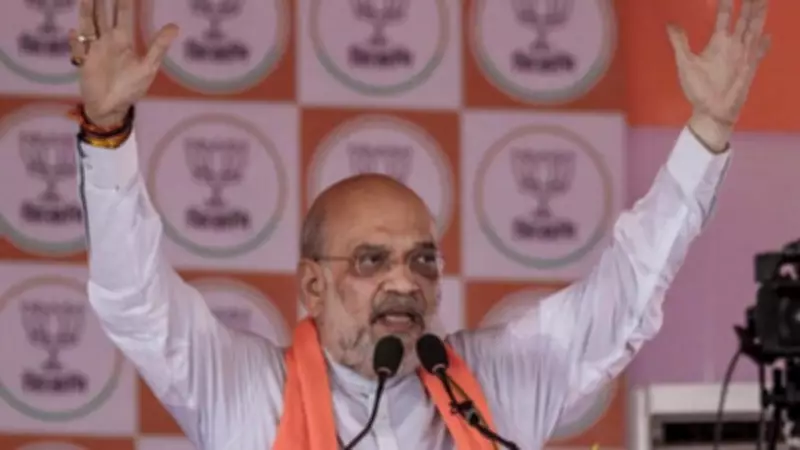
Union Home Minister and senior Bharatiya Janata Party leader Amit Shah has made a significant political pledge regarding West Bengal. He has declared that if the BJP secures victory in the state, his party will give top priority to resolving the long-standing Gorkha issue. Furthermore, Shah announced plans to withdraw all legal cases filed against political leaders in the region, a move aimed at fostering a more cooperative political environment.
Criticism of Governance Under Mamata Banerjee
In his statement, Amit Shah launched a sharp critique against the current Chief Minister of West Bengal, Mamata Banerjee. He asserted that the tradition of using police intimidation to restrict people's movement and suppress dissent was originally instituted by the Communist parties during their lengthy rule in the state. According to Shah, this problematic practice has not only continued but has been perpetuated under Mamata Banerjee's administration, creating an atmosphere of fear and control.
Focus on the Gorkha Community's Demands
The Gorkha issue, which revolves around demands for greater autonomy and recognition in the Darjeeling hills and surrounding areas, has been a persistent point of contention in West Bengal politics for decades. Shah's promise to prioritize this matter signals a strategic outreach to the Gorkha community, which holds considerable influence in certain electoral constituencies. By addressing their grievances, the BJP aims to consolidate support and challenge the ruling Trinamool Congress's hold on power.

Political Implications and Electoral Strategy
This announcement comes as part of the BJP's broader campaign to strengthen its presence in West Bengal, a state where it has been working to expand its base. The commitment to withdraw cases against leaders is seen as an effort to win over local political figures and activists who may have faced legal challenges under the current regime. It reflects a calculated approach to build alliances and undermine the opposition by offering legal reprieve and a focus on regional issues like the Gorkha demands.
Broader Context of Indian Politics
Amit Shah's statements highlight the intense political rivalry between the BJP and Trinamool Congress in West Bengal. They also underscore the ongoing debates about governance, law and order, and the treatment of minority communities in India's federal structure. As the political landscape evolves, such promises are likely to play a crucial role in shaping voter sentiment and electoral outcomes in the state.