Amit Shah Firmly Rejects Alliance with Humayun Kabir in West Bengal
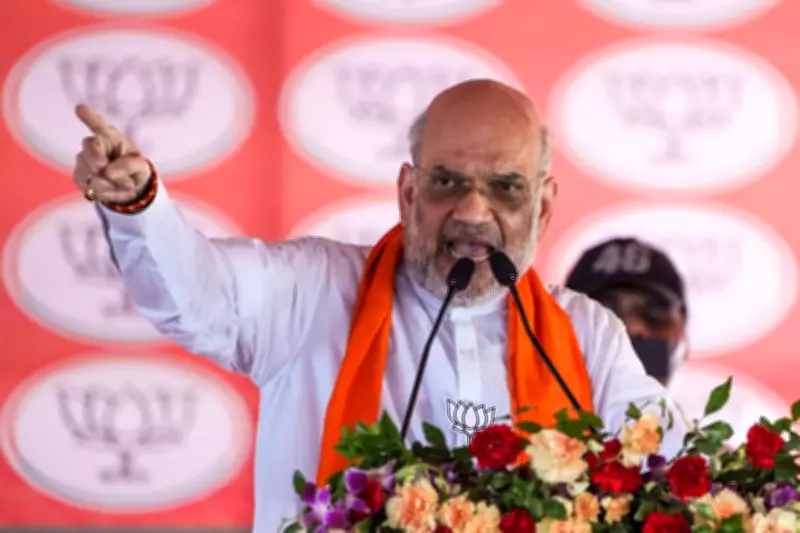
Union Home Minister Amit Shah has made a definitive statement, ruling out any potential political alliance with Humayun Kabir, a former leader of the Trinamool Congress (TMC), in the state of West Bengal. This announcement comes amid ongoing political realignments and speculations in the region, as parties gear up for future electoral battles.
Shah's Clear Stance on BJP's Strategy
In a recent interaction, Amit Shah emphasized that the Bharatiya Janata Party (BJP) will not be entering into any partnership with Humayun Kabir, who had previously been associated with the TMC. Shah highlighted that the BJP is committed to strengthening its own organizational structure and expanding its base independently in West Bengal, without relying on external alliances that might dilute its core principles or objectives.
This move underscores the BJP's confidence in its grassroots efforts and its determination to challenge the ruling TMC on its own terms. Shah pointed out that the party has been making significant inroads in the state through dedicated campaigns and public outreach, aiming to build a robust support system from the ground up.

Background on Humayun Kabir and Political Dynamics
Humayun Kabir, a notable figure in West Bengal politics, had been a part of the TMC before his departure. His potential alignment with other parties had sparked discussions about possible coalitions that could reshape the political landscape in the state. However, Amit Shah's firm rejection puts an end to such speculations, clarifying the BJP's stance on maintaining its autonomy.
The decision reflects a broader strategy by the BJP to avoid entanglements with leaders who might bring ideological conflicts or past baggage, ensuring a focused approach towards governance and development issues in West Bengal.
Implications for West Bengal's Political Future
By ruling out ties with Humayun Kabir, Amit Shah has sent a clear message about the BJP's intent to contest elections in West Bengal without compromising on its political identity. This could lead to intensified competition between the BJP and the TMC, as both parties vie for dominance in a state known for its volatile political environment.
Analysts suggest that this stance might encourage other regional players to reassess their strategies, potentially leading to new alliances or independent campaigns. The BJP's emphasis on self-reliance could also resonate with voters looking for a clear alternative to the existing political establishment.
- Focus on Organizational Strength: The BJP plans to rely on its own cadre and resources to build momentum in West Bengal.
- Rejection of Opportunistic Alliances: Shah's statement indicates a preference for principled politics over short-term gains.
- Impact on Electoral Calculations: This move may influence voter perceptions and party dynamics ahead of upcoming polls.
In conclusion, Amit Shah's categorical dismissal of an alliance with Humayun Kabir highlights the BJP's strategic priorities in West Bengal. As the political scene evolves, this decision is likely to shape the contours of future electoral contests, with the BJP positioning itself as a formidable force committed to independent growth and governance.