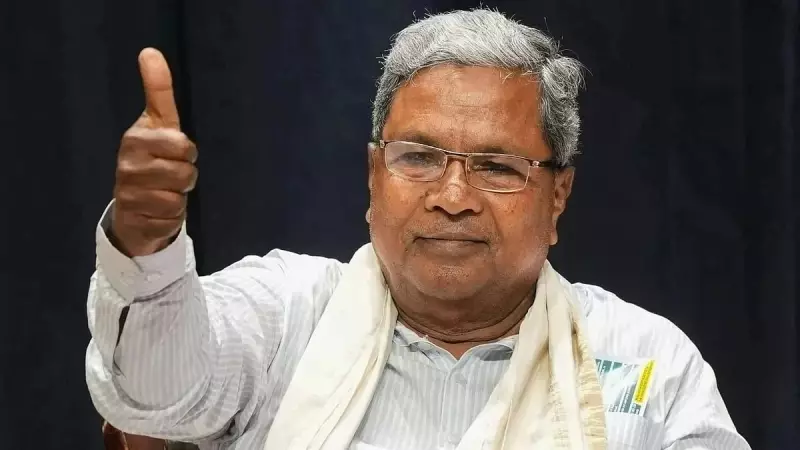
Karnataka Chief Minister Siddaramaiah has announced decisive legal action in a case of suspected honour-based violence. The state government will establish a fast-track court to ensure swift justice, treating the incident as a grave crime under laws designed to protect marginalized communities.
Invocation of SC/ST Act and Legal Deadlines
In a significant post on social media platform X, the Chief Minister clarified the legal framework guiding the state's response. He confirmed that the case squarely falls under the stringent Scheduled Castes and Scheduled Tribes (Prevention of Atrocities) Act. This classification mandates an accelerated investigative process.
A critical directive from the government is the instruction to law enforcement agencies. Authorities have been ordered to file the chargesheet in this matter within a strict 60-day window. This move is aimed at preventing procedural delays and underscoring the administration's commitment to a timely judicial process.
Appointment of a Private Prosecutor
To further strengthen the prosecution's case, Siddaramaiah revealed an additional step. The government has initiated proceedings to appoint a private prosecutor for the trial. This decision is often seen as a measure to ensure dedicated and specialized legal representation, potentially increasing the chances of a robust argument in court.
Context and Expected Outcomes
The Chief Minister's intervention highlights the political and social sensitivity surrounding crimes labelled as 'dishonour killings,' particularly when they involve caste-based violence. By pushing for a fast-track court and a private prosecutor, the Karnataka government aims to send a strong message against caste atrocities.
The announcement was made public on January 4, 2026. The use of a fast-track mechanism is expected to expedite the entire legal proceeding, from the filing of the chargesheet to the eventual verdict. This case is now poised to become a closely watched test of the judicial system's efficiency in handling crimes against Dalits.