

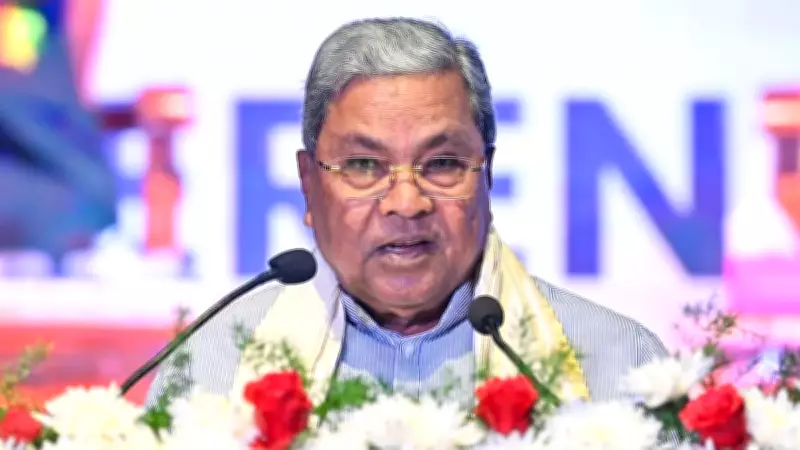
Siddaramaiah Calls for Supreme Court Bench in South India
Karnataka Chief Minister Siddaramaiah has strongly advocated for the establishment of a Supreme Court bench in South India, highlighting the pressing need to address judicial accessibility and regional imbalances in the country's legal system. In a recent statement, he stressed that while India explores new frontiers in governance and development, it must not overlook the persistent challenges within its judiciary.
Addressing Judicial Accessibility Challenges
The Chief Minister pointed out that the current setup, with the Supreme Court located solely in New Delhi, poses significant hurdles for citizens in southern states. Traveling long distances for legal recourse imposes financial and logistical burdens on litigants, particularly those from economically weaker sections. Siddaramaiah emphasized that this geographical disparity undermines the principle of equal access to justice, a cornerstone of India's democratic framework.
"Even as we explore these new frontiers, we must remain mindful of the enduring challenges facing our judiciary," Siddaramaiah remarked, underscoring the importance of judicial reforms alongside other national priorities. His comments come amid ongoing discussions about decentralizing the Supreme Court to enhance efficiency and reduce case backlogs.

Regional Disparities and Legal Reforms
The proposal for a South India bench aligns with broader calls for judicial decentralization to cater to India's diverse population. Siddaramaiah argued that such a move would not only ease the burden on the main court in Delhi but also foster regional legal expertise and faster dispute resolution. Key benefits include:
- Reduced travel time and costs for southern residents seeking Supreme Court hearings.
- Improved case management and potentially quicker judgments.
- Enhanced representation of regional legal perspectives in national jurisprudence.
This initiative reflects growing concerns about the concentration of judicial power in northern India, with advocates noting that similar benches in other regions could promote a more inclusive legal system. Siddaramaiah's stance has garnered attention from legal experts and policymakers, who are debating the feasibility and impact of such a structural change.
Broader Implications for India's Judiciary
Establishing a Supreme Court bench in South India could set a precedent for further judicial reforms across the country. Siddaramaiah's advocacy highlights the need for a balanced approach to modernization, ensuring that advancements in technology and governance do not overshadow foundational issues like access to justice. As discussions progress, stakeholders are urged to consider:
- The logistical and constitutional requirements for creating regional benches.
- Potential effects on judicial uniformity and national legal standards.
- Long-term benefits for judicial efficiency and public trust in the legal system.
In conclusion, Siddaramaiah's push for a South India Supreme Court bench underscores a critical juncture in India's judicial evolution, aiming to bridge regional gaps and uphold the right to justice for all citizens.






