

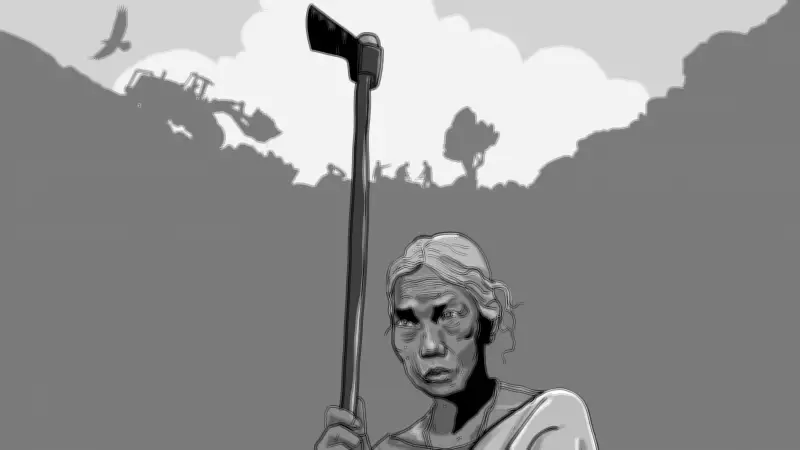
The unrest in Odisha's Sijimali region has brought to the forefront the deep-seated tensions between mining-driven development and the rights of Adivasi communities. At the heart of the conflict lies a fundamental struggle over land, forests, and the principle of free, prior, and informed consent. For generations, the indigenous Adivasi population has depended on these forests for their livelihood, cultural identity, and spiritual well-being. However, the push for mineral extraction has increasingly encroached upon their ancestral territories, leading to displacement, environmental degradation, and social upheaval.
The Roots of the Conflict
The Sijimali region is rich in bauxite and other minerals, making it a prime target for mining companies. The Odisha government has promoted mining as a pathway to economic growth and industrial development. Yet, this vision clashes with the Adivasi way of life, which is deeply intertwined with the forest ecosystem. The communities argue that they have not been adequately consulted or compensated for the loss of their lands. Legal frameworks such as the Forest Rights Act and the Panchayats (Extension to Scheduled Areas) Act recognize their rights, but implementation remains weak.
Resistance and Repression
The Adivasi resistance has taken various forms, from peaceful protests to legal challenges. Activists and community leaders have organized rallies, filed petitions, and sought support from human rights organizations. In response, the state has often used force to quell dissent, leading to arrests, injuries, and in some cases, fatalities. The media has reported instances of police brutality and the criminalization of protesters. This has further alienated the communities and deepened the mistrust between them and the authorities.

Hardships Faced by Adivasis
The ongoing conflict has inflicted severe hardships on the Adivasi population. Many have been displaced from their homes without adequate rehabilitation. Access to basic amenities like clean water, healthcare, and education has deteriorated. The destruction of forests has also impacted their traditional livelihoods, such as gathering forest produce, hunting, and small-scale agriculture. Moreover, the psychological trauma of losing their ancestral lands and cultural heritage cannot be overstated. Children and women are particularly vulnerable, facing increased risks of malnutrition, disease, and exploitation.
The Broader Implications
The Sijimali struggle is not an isolated incident but a microcosm of a larger national debate. India's rapid economic growth often comes at the cost of environmental sustainability and social justice. The conflict highlights the need for a more inclusive development model that respects indigenous rights and promotes sustainable resource use. It also underscores the importance of strengthening legal protections for vulnerable communities and ensuring their meaningful participation in decision-making processes.
As the standoff continues, the voices of the Adivasi communities remain a powerful reminder of the human cost of unchecked industrialization. The path forward requires dialogue, empathy, and a genuine commitment to balancing development with the rights and dignity of all citizens.






