

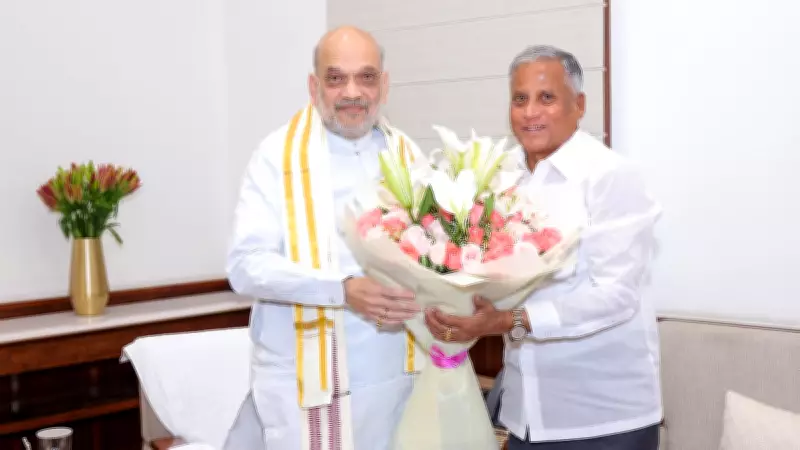
Somanna Urges ST Status for Kadugolla Community in High-Level Meeting with Amit Shah
In a significant development for Karnataka's political and social landscape, former minister V. Somanna recently held a crucial meeting with Union Home Minister Amit Shah to advocate for the inclusion of the Kadugolla community in the Scheduled Tribe (ST) category. This move aims to address long-standing demands for recognition and support for the community, which has been seeking enhanced socio-economic benefits and cultural preservation.
Key Discussions and Demands Presented
During the meeting, Somanna emphasized the historical and cultural significance of the Kadugolla community, arguing that their inclusion as a Scheduled Tribe is essential for their upliftment. He highlighted the community's unique traditions and the challenges they face in accessing education, employment, and healthcare opportunities. The discussion centered on the need for formal recognition to ensure they receive targeted government schemes and reservations, which could improve their living standards and integration into mainstream society.
The Kadugolla community, primarily based in Karnataka, has been campaigning for ST status for years, citing marginalization and lack of adequate representation. Somanna's intervention with Amit Shah underscores the political weight behind this demand, as it could influence policy decisions at the national level. The meeting also touched upon the procedural aspects of granting ST status, including the requirement for detailed ethnographic studies and recommendations from state authorities.

Political Implications and Community Impact
This initiative by Somanna, a prominent figure in Karnataka politics, reflects broader efforts to address caste-based disparities and empower marginalized groups. If successful, the ST status would grant the Kadugolla community access to reserved quotas in education, government jobs, and legislative seats, potentially transforming their socio-economic prospects. The move is seen as part of ongoing political strategies to consolidate support among backward communities ahead of upcoming elections.
Moreover, the meeting with Amit Shah signals the central government's engagement with regional issues, as the Home Ministry plays a key role in approving changes to ST lists. Stakeholders from the Kadugolla community have expressed hope that this high-level dialogue will accelerate the process, leading to tangible outcomes. However, it also raises questions about the criteria for ST categorization and the potential impact on other communities seeking similar recognition.
Future Steps and Broader Context
Following the meeting, Somanna has called for expedited action from both state and central governments to facilitate the inclusion. He stressed the importance of collaborative efforts between political leaders, administrative bodies, and community representatives to ensure a fair and transparent process. The Kadugolla community's case is part of a larger national conversation on social justice and inclusive development, with similar demands emerging from various groups across India.
In summary, this development highlights the intersection of politics, social welfare, and identity in Karnataka. As discussions progress, the focus will remain on whether the Kadugolla community achieves ST status and how it shapes their future, while also influencing broader policy frameworks for tribal and backward class welfare in the country.






