

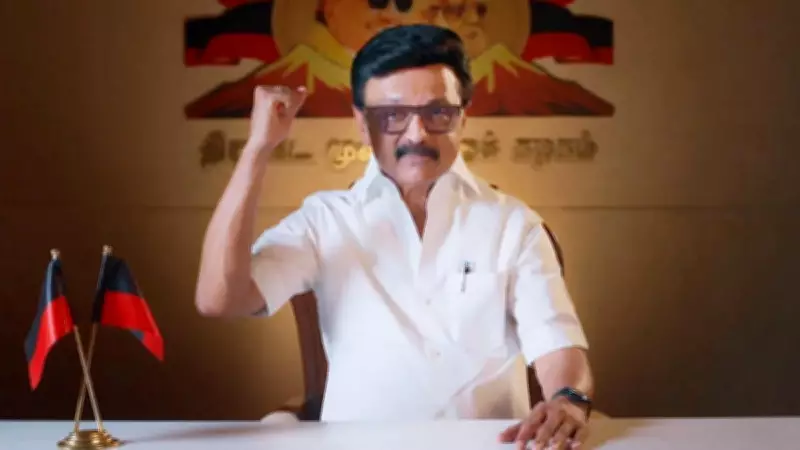
CM Stalin Issues Strong Warning to Those Threatening Tamil Nadu's Progress
Tamil Nadu Chief Minister M K Stalin has delivered a powerful message, declaring that he will be a danger to individuals or forces that betray the state or hinder its advancement. In a statement that underscores his commitment to Tamil Nadu's welfare, Stalin emphasized his unwavering stance against any actions that could compromise the state's growth trajectory.
Stalin Highlights Tamil Nadu's Superior Achievements Across Key Sectors
The Chief Minister pointed out that under his leadership, Tamil Nadu has been elevated above numerous other states in India in diverse and critical sectors. He specifically cited significant progress in industry, agriculture, and education, areas that are fundamental to the state's economic and social development. Stalin's remarks reflect a focus on tangible outcomes and a drive to maintain Tamil Nadu's competitive edge.
By positioning Tamil Nadu as a leader in these fields, Stalin aims to reinforce the state's reputation for innovation and excellence. His comments suggest a strategic vision that prioritizes sustainable growth and equitable opportunities for all residents.

A Firm Stance on Protecting State Interests
Stalin's warning serves as a clear indication of his administration's zero-tolerance policy towards betrayal or obstruction. This stance is likely aimed at political opponents, bureaucratic hurdles, or any entities that might seek to undermine Tamil Nadu's progress. The Chief Minister's words are designed to rally support and assert his role as a guardian of the state's interests.
In the broader context of Indian politics, such statements highlight the intense focus on state-level development and the fierce protection of regional achievements. Stalin's approach aligns with a trend where state leaders are increasingly vocal about safeguarding their jurisdictions from external or internal threats.
As Tamil Nadu continues to navigate challenges and opportunities, Stalin's leadership will be closely watched for its impact on the state's future. His dual message of warning and accomplishment sets the tone for a governance model that combines vigilance with proactive development initiatives.






