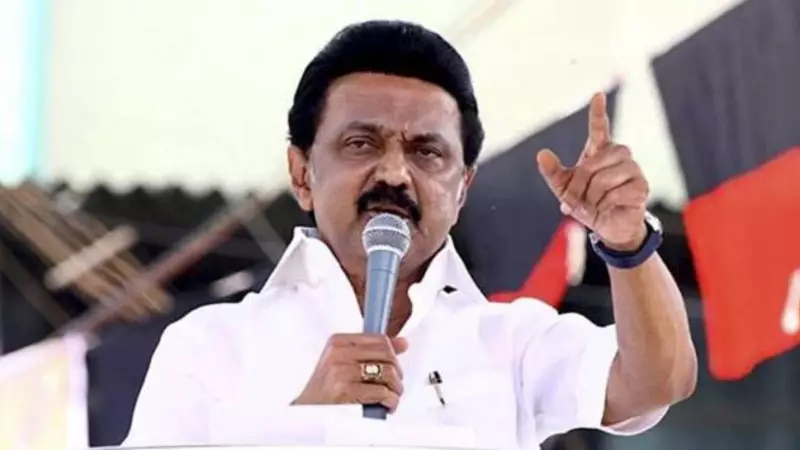
Tamil Nadu Chief Minister M K Stalin has formally appealed to Prime Minister Narendra Modi, urging the central government to adopt a collaborative approach with all states and union territories regarding the upcoming caste-based enumeration in the national census. In a letter dated January 12, 2026, Stalin emphasized the profound significance and delicate nature of the exercise.
A Welcome Move with Far-Reaching Implications
Stalin began his communication by welcoming the Union government's decision to include caste details in the forthcoming population census. He stated that this move aligns with the long-standing demand of the Tamil Nadu government. The state's legislative assembly has previously passed resolutions advocating for a caste-based census to be conducted alongside the standard decadal population count.
The Chief Minister framed the decision as one with "far-reaching implications for social justice, equitable policy-making, and the federal structure of our nation." He argued that comprehensive and reliable caste data is indispensable for crafting targeted welfare measures and addressing historical inequalities effectively. Stalin noted that Tamil Nadu's persistent advocacy for evidence-based social justice policies is vindicated by this initiative.

Caution and the Need for Careful Calibration
While endorsing the concept, Stalin issued a strong note of caution. He described caste enumeration as an "exceedingly sensitive" matter that interacts with deep-rooted social dynamics and regional variations in caste structures. He warned that without meticulous planning, the process could inadvertently trigger societal tensions or disputes.
"The framing of questions, categories, sub-categories, and the methodology for data collection must be precise, inclusive, and free from ambiguity to ensure accuracy and public trust," Stalin wrote. He stressed that any shortcomings in design could lead to inaccuracies in the data or even exacerbate existing social divisions, undermining the very goal of the exercise.
Advocating for Cooperative Federalism
Acknowledging that the census falls under the Union government's jurisdiction, Stalin highlighted that the outcomes would directly influence state-level policies in critical areas like education, employment, reservation, and welfare schemes. Therefore, he asserted that consultation with states is not just beneficial but essential.
He explicitly urged Prime Minister Modi to "constitute a consultative mechanism involving Chief Ministers and representatives of states" before finalizing the guidelines and questionnaire. This, he argued, would foster the spirit of cooperative federalism. Stalin also recommended thorough due diligence, including pilot testing where necessary, to ensure the collected data is robust and reliable for advancing social justice objectives across India.
The letter from the Tamil Nadu Chief Minister sets the stage for a crucial dialogue between the Centre and the states on a matter that touches the core of India's social fabric and policy planning. The central government's response and the subsequent design of the census methodology will be closely watched.