

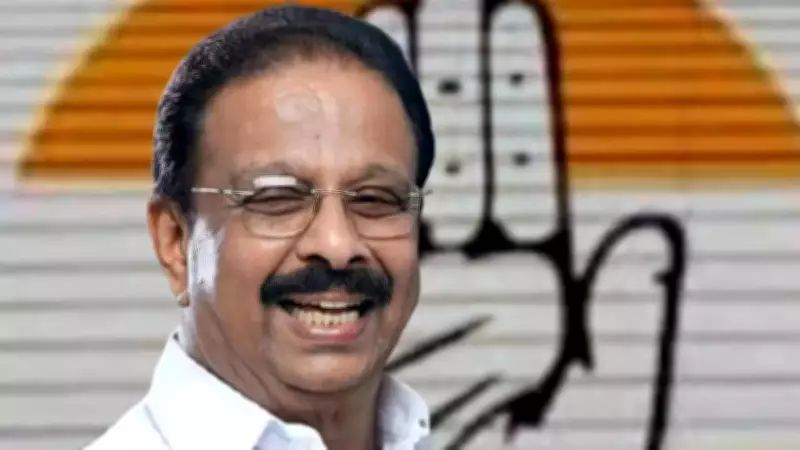
Congress MP Sudhakaran Backs Down After High Command Stands Firm on Candidature
In a significant political development, Congress MP and Kannur strongman K Sudhakaran has relented in his demand to contest the upcoming assembly elections from his home turf of Kannur. This climbdown ended a tense three-day standoff that had delayed the party's candidate selection process, highlighting internal dynamics within the Congress party in Kerala.
A Political Persona Forged in Turbulence
For decades, Sudhakaran's political identity has been characterized by tough posturing and an uncompromising stance, traits honed in the often-violent political landscape of Kannur. Known for his combative style since his student days at Government Brennen College, he has rarely yielded ground in political battles. However, this time, the party's central leadership remained steadfast in its position against fielding sitting MPs in assembly elections, a principle that ultimately forced Sudhakaran to soften his position.
The High Command's Unwavering Stance
The resolution came after interventions from the highest echelons of the Congress party. Party president Mallikarjun Kharge and Lok Sabha opposition leader Rahul Gandhi maintained the party's firm position against allowing MPs to contest assembly elections, thereby defusing what could have escalated into a significant internal crisis just weeks before the crucial polls. Their consistent stance left Sudhakaran with little room to maneuver despite his initial resistance.

Initial Resistance and Local Opposition
Sources indicate that Sudhakaran did not budge during initial discussions with state leaders on Thursday, particularly because Congress had selected T O Mohanan, a former mayor who is not considered a Sudhakaran loyalist, for the Kannur seat. This selection reportedly fueled Sudhakaran's determination to push for his own candidacy, with some supporters even contemplating the possibility of him contesting as an independent candidate if the party refused his demand.
However, Sudhakaran's assertive posture in New Delhi did not find strong backing in his home district, where he had long been regarded as the final authority of the party. A crucial meeting of block and mandalam committees revealed substantial local opposition to his candidature. Office-bearers of two block committees and ten mandalam committees argued that fielding an MP would trigger public backlash and make it difficult for the party to face voters in the ensuing Lok Sabha bypolls. The meeting witnessed heated debates between those opposing Sudhakaran's candidature and his supporters.
Protests and Celebration Outside DCC Office
Earlier tensions spilled outside the District Congress Committee (DCC) office in the morning when a section of Sudhakaran's supporters raised slogans after reports emerged that former mayor Mohanan was likely to be fielded. Some protesters leveled allegations against Mohanan, including claims of a pending vigilance case, reflecting the intensity of the internal conflict.
The mood shifted dramatically later in the day following indications that the party leadership was re-examining the issue after interventions by senior leaders, including AK Antony. The same group that had protested earlier burst crackers outside the DCC office in celebration once Sudhakaran's climbdown became apparent, showcasing the volatile nature of local political sentiments.
Strategic Implications for Congress
This episode underscores the delicate balance the Congress party must maintain between accommodating influential regional leaders and adhering to broader organizational principles. The high command's success in enforcing its no-MP policy in assembly elections demonstrates its authority in candidate selection matters, potentially setting a precedent for future electoral preparations.
The resolution also highlights the evolving political dynamics within Kannur, where Sudhakaran's once-unquestioned authority now faces challenges from within the party structure itself. As Congress prepares for the assembly elections, managing these internal tensions while presenting a united front to voters will be crucial for its electoral prospects in the region.






