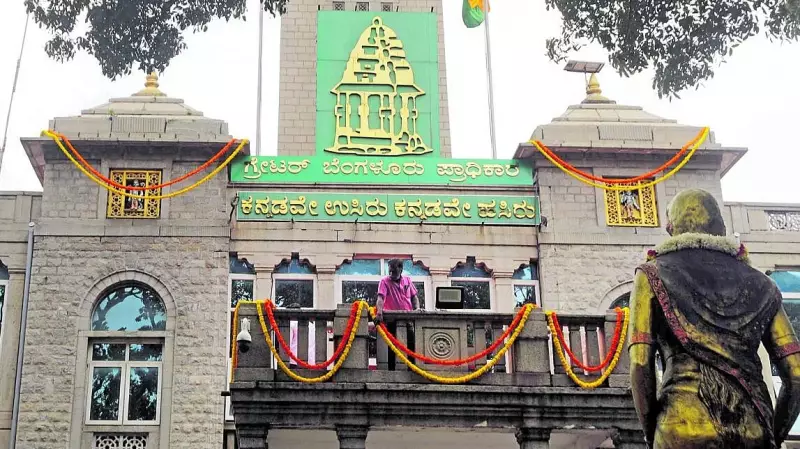
In a decisive move, the Supreme Court of India has issued a firm directive to the Karnataka state government, mandating the completion of long-pending civic body elections for Bengaluru by June 30, 2026. This order comes as a significant intervention, overriding the state's own proposed timeline which had suggested the polls could be held as late as February 2026.
Court Rejects State's Proposed Timeline
The bench, hearing the matter, was presented with a schedule from the Karnataka government outlining the steps for conducting the Bruhat Bengaluru Mahanagara Palike (BBMP) elections. The state's submission indicated that the electoral process might extend until February 2026. However, the apex court found this timeline unacceptable and imposed a stricter deadline. The court's instruction to complete the entire process by the end of June 2026 underscores the urgency of restoring democratic governance to India's tech capital.
Background of the Delay and Legal Scrutiny
The elections for Bengaluru's civic body have been in a state of limbo for an extended period, leading to administration by state-appointed administrators instead of elected representatives. This delay has been a point of contention among citizens and political groups, raising concerns about democratic representation and local governance. The legal push for holding the polls gained momentum, culminating in the Supreme Court's latest hearing. The court's scrutiny focused on ensuring that the electoral process is not unduly postponed, emphasizing the citizens' right to elect their local government.

Implications for Bengaluru's Governance
The Supreme Court's order has immediate and far-reaching consequences. Firstly, it sets a clear, non-negotiable endpoint for the state bureaucracy to work towards, potentially accelerating preparatory work like delimitation of wards and voter list updates. Secondly, it signals judicial impatience with administrative delays in conducting local body elections, which are the foundation of urban governance. The order is also closely linked to the Greater Bengaluru Governance Bill, as the new civic body structure will need to be in place for the elections. For Bengaluru's residents, this directive is a crucial step towards having an accountable, elected council to address the city's pressing infrastructure and civic issues.
The development, reported by Ashish Tripathi on January 12, 2026, marks a pivotal moment in Bengaluru's political landscape. All stakeholders will now have to align their actions with the court's deadline, setting the stage for a much-anticipated democratic exercise in the heart of Karnataka.