

Tamil Nadu 2026 Assembly Elections: A Strategic Fusion of Tradition and Technology
As Tamil Nadu gears up for the pivotal 2026 assembly elections, political parties are orchestrating a sophisticated campaign that seamlessly integrates deep-rooted caste dynamics with cutting-edge digital outreach. The electoral landscape is witnessing a transformative shift where age-old social identities converge with modern influencer marketing to shape voter behavior and party fortunes.
Micro-Targeting Caste Groups: The Enduring Electoral Arithmetic
Caste continues to be a decisive and formidable force in Tamil Nadu politics, with numerically significant and regionally concentrated blocs such as Vanniyars, Thevars, Gounders, and Dalits profoundly influencing electoral outcomes. Political entities meticulously tailor their alliances and candidate selections to harness these demographic strengths. For instance, the AIADMK strategically targets Thevar support bases, while the PMK actively mobilizes the Vanniyar community, effectively converting social identity into a potent strategic vote bank advantage that can sway entire constituencies.
Star Power Politics: Celebrities Reshaping the Political Arena
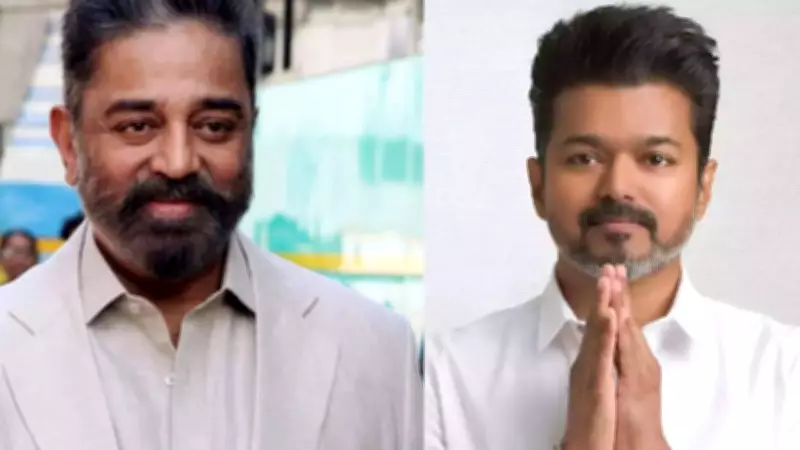
Film celebrities are dramatically reshaping Tamil Nadu's electoral dynamics by leveraging their massive fan followings into substantial political capital. Prominent figures like Vijay of the Tamilaga Vettri Kazhagam (TVK) and Kamal Haasan of the Makkal Needhi Maiam (MNM) utilize their widespread appeal, particularly among younger demographics, to disrupt traditional vote banks and inject fresh momentum into election campaigns, challenging established political narratives.

Nano-Influencer Campaigns: Subtle Digital Persuasion
Political parties are increasingly adopting micro and nano-influencers to engage young voters through organic and subtle digital content. The DMK, for example, collaborates with content creators who seamlessly embed political messaging into relatable reels covering topics like college life, humorous memes, and local development issues. This approach allows the party to connect with apolitical or disengaged audiences without resorting to overt campaigning, fostering a more authentic voter relationship.
Anti-Incumbency Sentiment and Voter Fatigue
Voter fatigue with the incumbent DMK government often creates significant electoral opportunities for opposition parties in Tamil Nadu. Entities like the AIADMK and BJP actively seek to channel public dissatisfaction over governance issues and unmet expectations into a broader anti-government voting bloc, strategically transforming negative public sentiment into tangible electoral momentum that could alter the balance of power.
Language Politics: Mobilizing Linguistic Pride
Language remains a deeply emotive and historically charged issue in Tamil Nadu, rooted in a long-standing resistance to perceived Hindi imposition. Parties such as the DMK frame linguistic policies as a crucial defence of Tamil identity, with leaders like Chief Minister MK Stalin warning that Hindi expansion could erode regional cultural heritage. This rhetoric effectively mobilizes voters around linguistic pride, turning language into a powerful electoral tool.
Welfare Programmes: Building Voter Loyalty Through Benefits
Targeted welfare schemes continue to be central to voter appeal in Tamil Nadu, with parties utilizing direct benefits to cultivate strong electoral loyalty. The DMK administration, for instance, has implemented impactful initiatives like the 'Vidiyal Payanam' scheme offering free bus travel for women and various monthly financial assistance programmes. These measures translate direct material benefits into a robust electoral advantage, reinforcing party support among beneficiary communities.

Seat-Sharing Alliances: Strategic Constituency Allocation
Seat-sharing alliances remain a cornerstone of Tamil Nadu's political strategy, critically shaping electoral outcomes. Major coalitions like the DMK-led front with allies including the Indian National Congress (INC), Communist Party of India (CPI), and Viduthalai Chiruthaigal Katchi (VCK), and the AIADMK alliance with the BJP and other partners, meticulously allocate constituencies based on localized strength. This coordinated approach aims to maximize winnability and prevent damaging vote fragmentation across the political spectrum.
Ground Campaigns and Yatras: Traditional Voter Outreach
Despite digital advancements, traditional large-scale rallies and extensive statewide tours remain indispensable for direct voter engagement and cadre mobilization. Leaders such as Edappadi K. Palaniswami (EPS) of the AIADMK have undertaken comprehensive tours covering all 234 assembly constituencies, utilizing physical on-ground presence to strengthen voter connections, energize party workers, and reinforce traditional campaigning methods in the digital age.
The 2026 Tamil Nadu assembly elections represent a complex battleground where political parties are deploying a hybrid strategy that honors traditional caste-based calculations while embracing innovative digital outreach through nano-influencers and celebrity endorsements. This multifaceted approach, combined with welfare politics, linguistic mobilization, and strategic alliances, underscores the evolving nature of electoral competition in one of India's most politically vibrant states.





