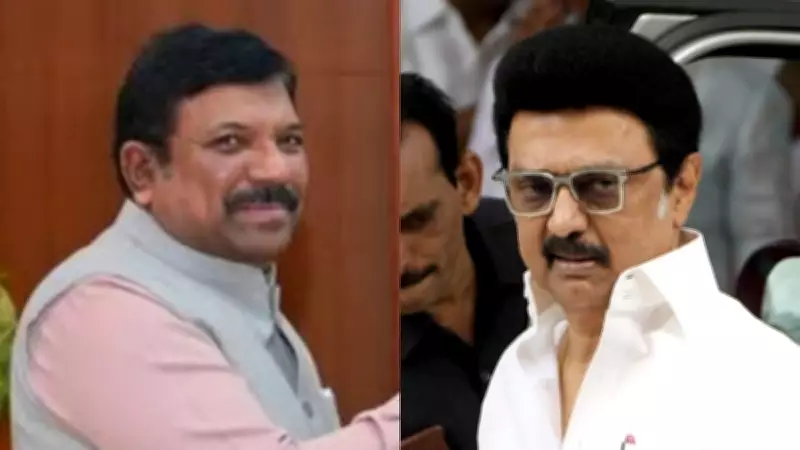
Tamil Nadu 2026 Assembly Elections: Major Administrative Shifts Spark Political Controversy
In a dramatic development just months before the crucial Tamil Nadu Assembly elections in 2026, the state government has executed a significant reshuffle of top bureaucratic positions. The Chief Secretary and the head of the anti-corruption wing have both been transferred, a move that has ignited a fierce political debate.
CM Stalin's Strong Condemnation of the Transfers
Chief Minister M K Stalin has publicly denounced these transfers, characterizing them as a partisan move intended to disrupt the administrative machinery ahead of the polls. He expressed deep concern over what he perceives as an attempt to undermine the state's governance and anti-corruption efforts during this critical electoral period.
The timing of these transfers, occurring so close to the 2026 elections, has raised eyebrows across political circles. Analysts suggest that such high-level changes could potentially influence the electoral landscape, affecting both administrative continuity and public perception.

Immediate Implementation and New Appointments
The transfers have been implemented with immediate effect. Sai Kumar, who currently serves as the Commissioner of Revenue Administration, has been appointed to take charge of one of the vacated positions. This swift transition indicates the urgency with which the administrative changes are being carried out.
The anti-corruption wing, a crucial department in maintaining governmental integrity, will now operate under new leadership. This shift comes at a time when transparency and accountability are paramount concerns for voters and political parties alike.
Broader Implications for Tamil Nadu Politics
This development adds another layer of complexity to the already heated political environment in Tamil Nadu. With the 2026 Assembly elections approaching, every administrative decision is being scrutinized for potential political motivations.
The transfer of the Chief Secretary, a pivotal figure in state administration, could have far-reaching consequences for policy implementation and bureaucratic coordination during the election season. Similarly, changing leadership in the anti-corruption department might impact ongoing investigations and public trust in governmental institutions.
As political parties prepare their strategies for the 2026 polls, this controversy over bureaucratic transfers is likely to become a significant talking point. The opposition may leverage CM Stalin's criticism to question the neutrality of administrative actions, while the ruling establishment might defend the moves as routine administrative adjustments.
The situation underscores the intricate relationship between bureaucracy and politics in India's democratic framework, especially during election cycles. How this development influences voter sentiment and electoral outcomes remains to be seen as Tamil Nadu moves closer to the 2026 Assembly elections.