Tamil Nadu Government Announces Major Pension Boost for Community Workers
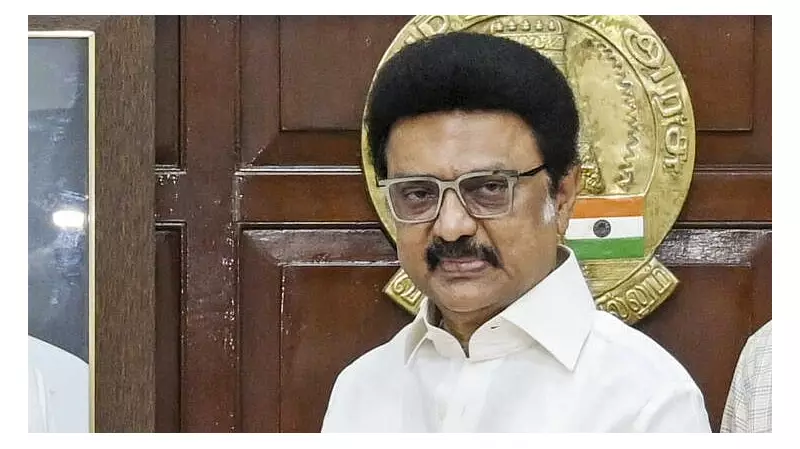
In a significant move aimed at bolstering social welfare, Tamil Nadu Chief Minister M.K. Stalin has officially declared a substantial increase in pension and retirement benefits for noon meal organisers and anganwadi workers across the state. This announcement underscores the government's commitment to recognizing and rewarding the invaluable contributions of these frontline community workers who play a pivotal role in child nutrition and early childhood care.
Details of the Enhanced Benefits Package
The revised benefits package includes a notable hike in the monthly pension amount provided to eligible workers upon retirement. Specifically, the pension for noon meal organisers has been raised, ensuring greater financial stability during their post-service years. Similarly, anganwadi workers, who are integral to the Integrated Child Development Services (ICDS) scheme, will now receive enhanced retirement benefits, reflecting an appreciation for their dedicated service in rural and urban areas.
This initiative is expected to benefit thousands of workers who have long served in these roles, often under challenging conditions. By improving their economic security, the Tamil Nadu government aims to not only honor their past efforts but also incentivize current workers to continue their essential services with renewed motivation.

Impact on Social Welfare and Community Health
The decision to increase pension and retirement benefits aligns with broader state policies focused on enhancing social security nets for vulnerable groups. Noon meal organisers are crucial in implementing the Mid-Day Meal Scheme, which addresses malnutrition and promotes school attendance among children. Anganwadi workers, on the other hand, are frontline agents in delivering health, nutrition, and preschool education services to mothers and young children.
This hike is seen as a timely intervention that could improve the overall morale and retention rates among these workers, thereby strengthening the state's public health and education infrastructure. It also reflects a growing recognition of the need to support community-based workers who form the backbone of India's social welfare programs.
Government's Rationale and Future Implications
Chief Minister Stalin emphasized that this move is part of the government's ongoing efforts to uplift marginalized sections and ensure equitable development. The announcement was made during a public address, where he highlighted the state's dedication to welfare-oriented governance. This pension hike follows other recent initiatives by the Tamil Nadu government aimed at improving the livelihoods of various worker groups, including farmers and laborers.
Looking ahead, this policy change is likely to set a precedent for other states to consider similar enhancements for their anganwadi and noon meal workers. It underscores the importance of investing in human resources within the social sector to achieve sustainable development goals related to health, education, and poverty reduction.
In summary, the Tamil Nadu government's decision to increase pension and retirement benefits for noon meal organisers and anganwadi workers marks a progressive step towards reinforcing social security and acknowledging the critical role these workers play in community well-being.