Telangana Assembly Calls for Central Ban on Deadly Paraquat Herbicide
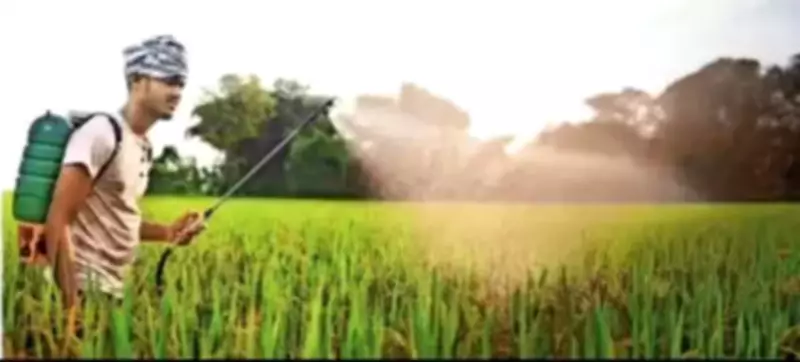
The Telangana legislative assembly unanimously adopted a significant resolution on Monday, formally urging the central government to impose a comprehensive and immediate ban on the sale and agricultural use of Paraquat dichloride, a highly toxic herbicide. The resolution highlights the severe public health crisis and environmental damage caused by this widely available chemical.
Minister Cites Suicide Epidemic and Soil Degradation
Introducing the urgent resolution, Minister Tummala Nageswara Rao presented alarming statistics, stating that Paraquat is directly responsible for a devastating number of suicide deaths across Telangana's villages. He emphasized that the herbicide's low cost and easy accessibility have created a lethal combination, making it a common means of self-harm in rural distress situations.
"Given the grave seriousness of the escalating fatalities, coupled with the documented negative impact on long-term soil health and fertility, a complete prohibition of this harmful substance is the only viable and permanent solution," Minister Rao declared during the assembly session.

The minister clarified the constitutional limitations, noting that while the state government lacks the authority to enact a permanent ban, it can impose temporary restrictions for up to 90 days. "Based on urgent requests from the Medical Association and the Rythu Commission, we have already instructed all agricultural officers to prohibit sales without a strict medical prescription. However, as many honorable members have rightly pointed out, Paraquat remains easily purchasable through online platforms, necessitating decisive central intervention," he explained.
Rao added a chilling medical observation: "It is profoundly unfortunate that survival chances after consuming even minimal amounts of Paraquat are virtually nonexistent. The mortality rate is tragically high."
International Context and Alarming Mortality Estimates
Senior MLA Kadiyam Srihari provided crucial international context, revealing that Paraquat is exported from Switzerland, a nation that has banned its own domestic use. "Approximately seventy countries worldwide have already prohibited this dangerous substance due to its extreme toxicity. It is both ironic and urgent that India, where it is still legally sold, follows this global precedent," Srihari asserted.
He presented a harrowing estimate: "Based on my analysis and reports, around two thousand people in Telangana alone are dying each year from Paraquat consumption, often for what begin as trivial reasons or moments of acute distress."
Medical Experts in Assembly Detail Lethal Mechanism
The debate gained further gravity as several doctors who are now serving as MLAs contributed their professional expertise. Dr. Satyanarayana provided a stark warning about the herbicide's potency: "A minuscule dose of just five milliliters can be fatal. Death is not instantaneous; it occurs through the gradual, irreversible destruction of vital organs like the lungs, kidneys, and liver. In my medical career, I have never witnessed a patient survive after ingesting Paraquat."
Dr. Umadevi expanded the concern to environmental and food safety, stating, "The usage of this material leaves persistent, toxic residues in the soil. These contaminants can then bio-accumulate, entering the food chain through crops and ultimately adversely affecting public health on a large scale." She linked the chemical to a broader health crisis: "We are witnessing a measurable increase in cancer cases and other deadly, chronic diseases partly due to the excessive and unregulated use of such harmful agrochemicals and fertilizers."
Calls for Immediate State Action and Support from Medical Bodies
Dr. Palvai Harish Babu from the BJP emphasized the need for proactive state measures alongside the central appeal. "Before passing this resolution for central action, the state government should immediately implement its own ban, following the successful examples set by other states like Odisha and Kerala," he argued, pushing for more urgent local intervention.

The resolution has received strong endorsement from major medical associations within Telangana. The Healthcare Reforms Doctors Association (HRDA), the Telangana Junior Doctors Association (T-JUDA), and the Telangana Senior Doctors Association have all publicly welcomed the assembly's move, viewing it as a critical step toward addressing a preventable public health disaster.
The assembly's resolution marks a concerted political effort to combat a dual crisis of farmer suicides and environmental contamination, placing the onus on the central government to enact a nationwide ban on Paraquat dichloride.