Telangana School Faces Backlash Over Ban on 'Hanuman Mala'
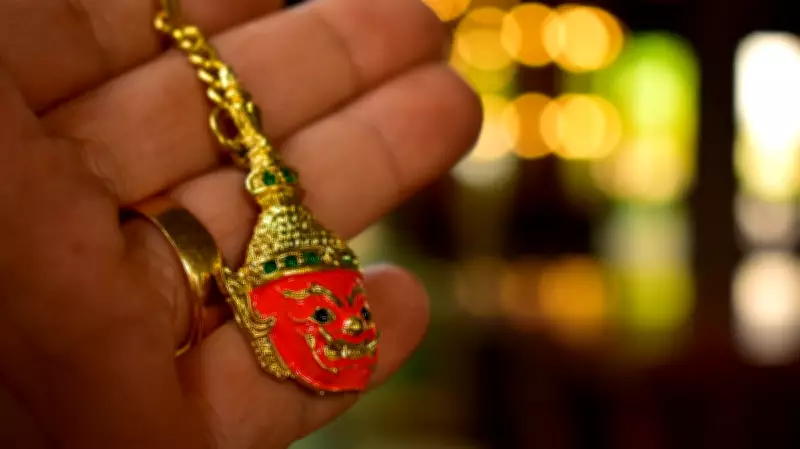
A school in Telangana has found itself at the center of a heated controversy after it barred students from wearing 'Hanuman mala', a set of prayer beads dedicated to Lord Hanuman. The decision has sparked widespread protests and accusations of religious discrimination, raising questions about secularism in educational institutions.
Protesters Decry Discrimination in School Policy
One of the protesters strongly condemned the school's action, stating that barring or suspending students for wearing Hanuman mala constitutes clear discrimination. The protester emphasized that children from all religious backgrounds attend this school, making the ban particularly contentious. This statement highlights concerns that the policy unfairly targets Hindu students while potentially allowing symbols from other faiths, though the school's full dress code remains unclear.
The incident has drawn significant attention across Telangana, with many viewing it as a violation of religious freedom. Critics argue that such bans undermine the inclusive environment that schools should foster, especially in a diverse country like India. The controversy has prompted discussions on balancing school discipline with respect for cultural and religious expressions.

Growing Public Outcry and Legal Implications
As news of the ban spread, public outcry has intensified, with local communities and religious groups organizing demonstrations. The situation has also raised potential legal questions regarding the right to religious expression in educational settings under Indian law. Authorities are now under pressure to review the school's policy and ensure it aligns with constitutional principles of equality and secularism.
This incident is not isolated, as similar cases have emerged in other parts of India, reflecting broader tensions over religious symbols in public institutions. The Telangana school's stance has reignited debates on how schools should handle religious diversity while maintaining a neutral and respectful atmosphere for all students.
As of March 16, 2026, the school has yet to issue an official statement clarifying its position or revising the policy. The ongoing protests suggest that the issue will remain a focal point of public discourse, with potential implications for educational policies statewide.